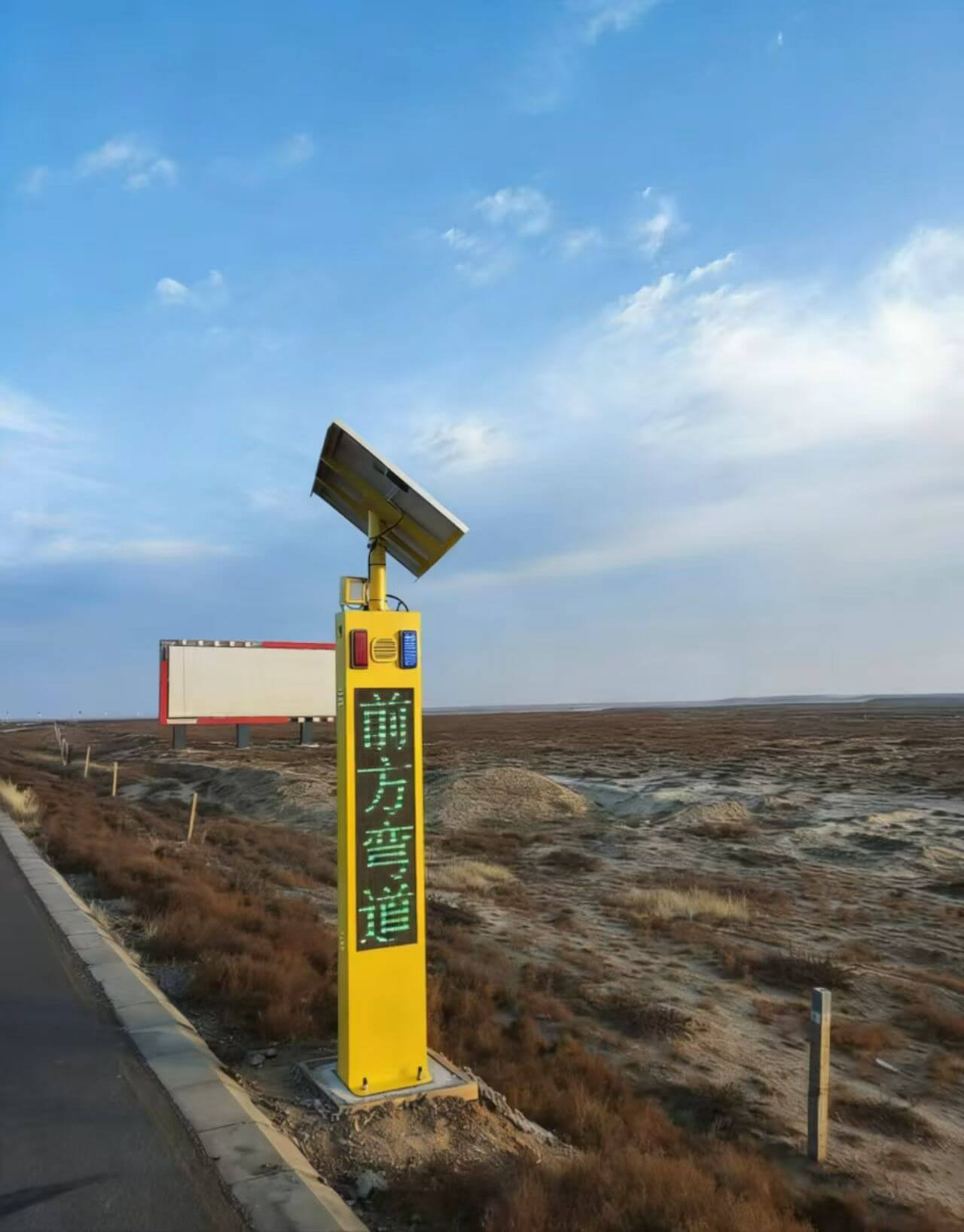
Radar Speed Sign
Radar Speed Signs are crucial intelligent facilities in modern traffic management, widely applied with significant effectiveness. Below is a comprehensive overview of their functions, application scenarios, advantages, types, and key considerations.
- Core Functions and Working Principles
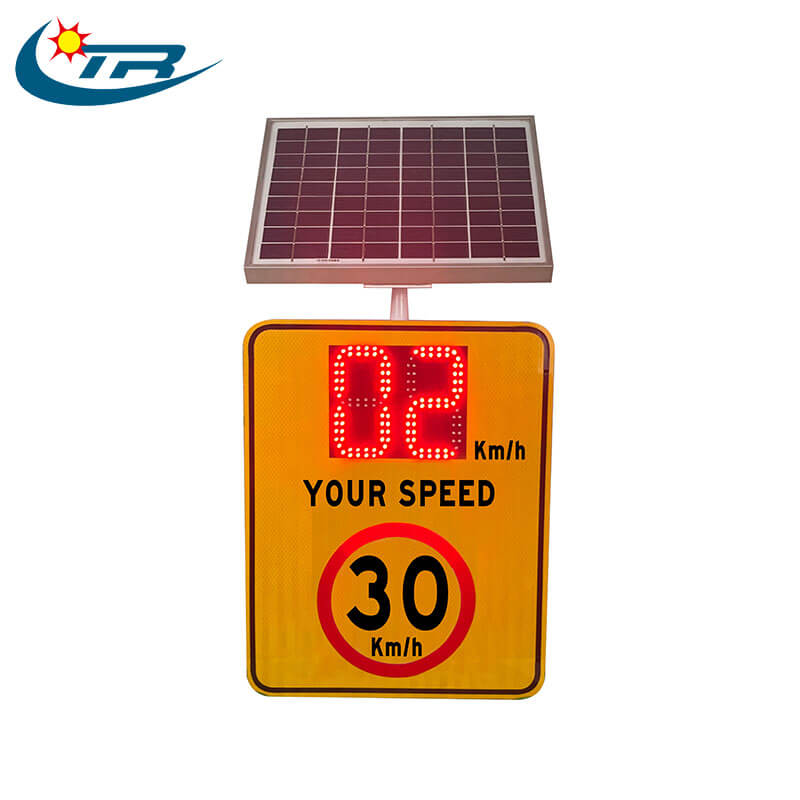
- Real-Time Speed Measurement: Equipped with a built-in radar speed detection module, they accurately measure the instantaneous speed of passing vehicles.
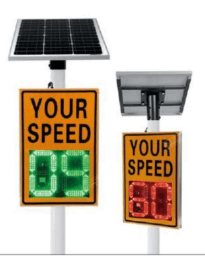
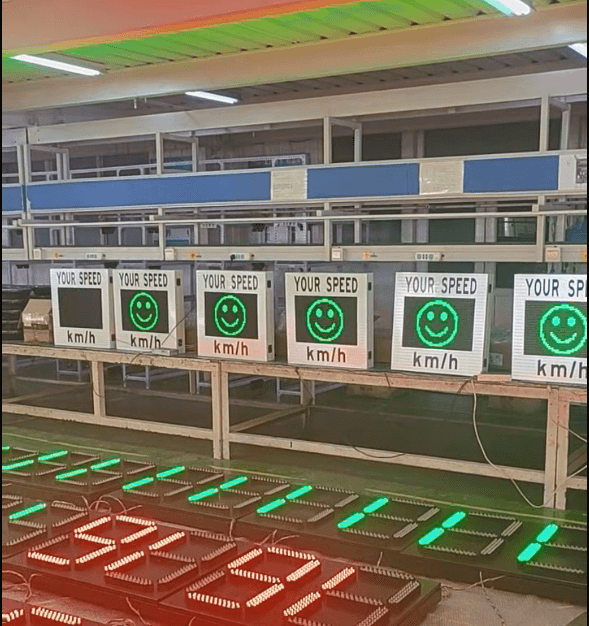
- Information Display: Instantly display the driver’s current speed via an LED screen.
- Some advanced models may include text warnings (e.g., “Slow Down”) or audible alerts.
- Primary Application Scenarios
- Speed-Sensitive Areas: Near schools, hospitals, residential areas, and construction zones to ensure pedestrian safety.
- Alternative or Supplement to Fixed Speed Cameras: Acting as an “advance warning” before fixed cameras, giving drivers an opportunity for self-correction. This “informative” enforcement is more widely accepted by the public.
- Key Advantages
- Proactive Prevention, Proven Effectiveness: Shifts enforcement from “post-violation penalties” to “pre-violation warnings,” effectively prompting drivers to slow down and correct violations immediately. Studies show it typically reduces speeds by 10%–20%.
- Enhances Safety Awareness: Continuous visual feedback reinforces drivers’ awareness of speed limits.
- Flexible Enforcement, Improves Public Perception: Avoids controversies associated with “covert enforcement,” embodies the principle of combining education with penalties, and enhances the credibility of traffic management.
- 24/7 Operation: Unaffected by weather or lighting conditions, operating around the clock.
- Common Types
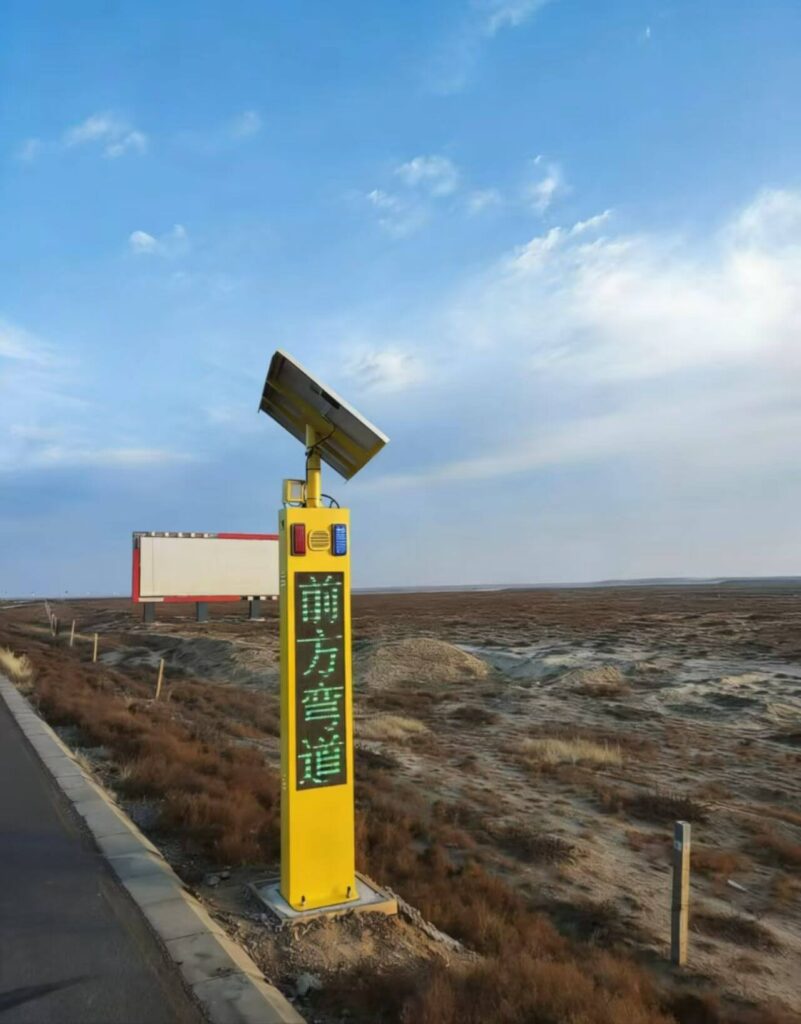
- Stand-Alone Solar-Powered Radar Speed Signs.
- Integrated with Fixed Monitoring Systems.
- Mobile/Portable Units.
- Multi-Functional Integrated Systems.
Radar Speed Signs are a prime example of smart transportation and proactive traffic safety. They are more than just an “electronic eye” warning sign; they are real-time, interactive safety communication tools. By visualizing speed information and providing instant feedback to drivers, they effectively “alert” driver attention and guide voluntary compliance with speed limits. This helps reduce speed-related accidents at their source, making them an indispensable technological tool in modern road traffic management.