How Many Traffic Lights Are Reasonable for Road Intersections
Cities cannot run smoothly without traffic lights. Urban traffic networks will face paralysis without such facilities. Additionally, traffic accident risks will rise significantly. Thus, traffic lights greatly affect daily travel and road safety.
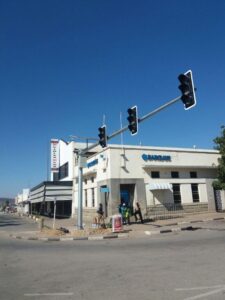
traffic signal light sets
Traffic Light Development and Manufacturer Adjustments
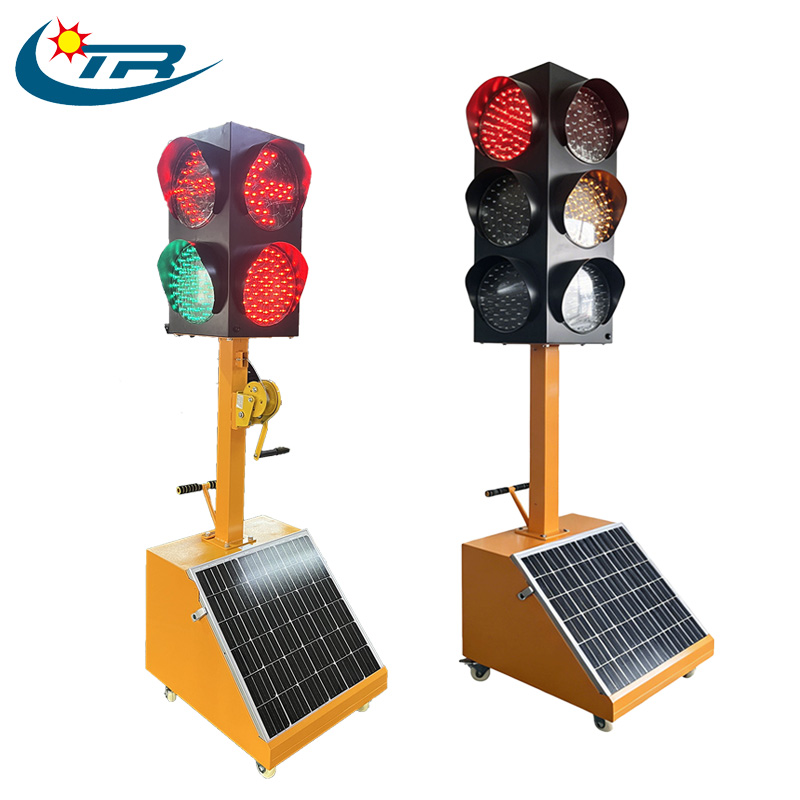
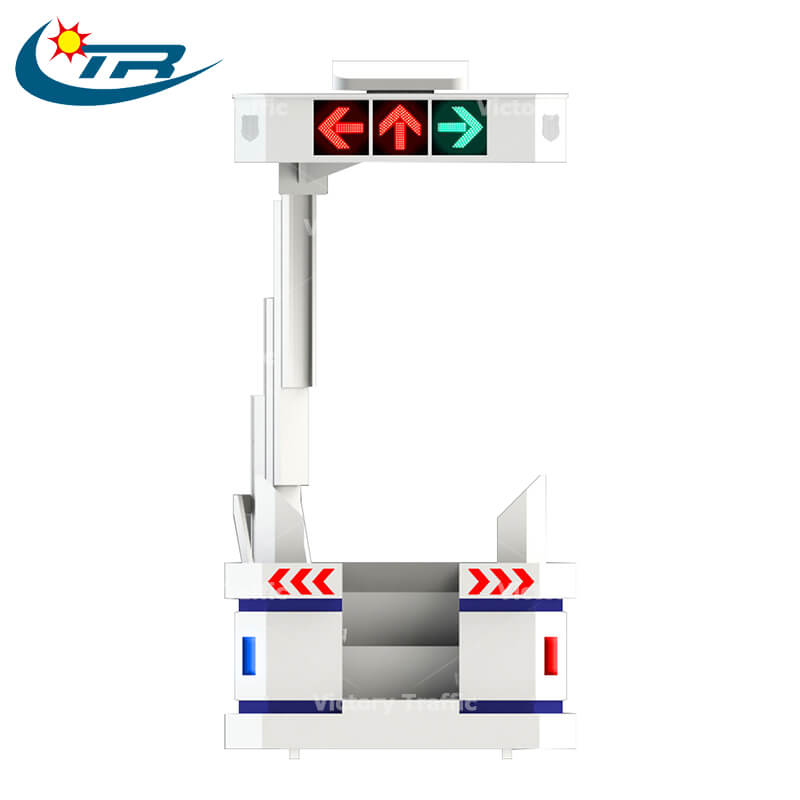
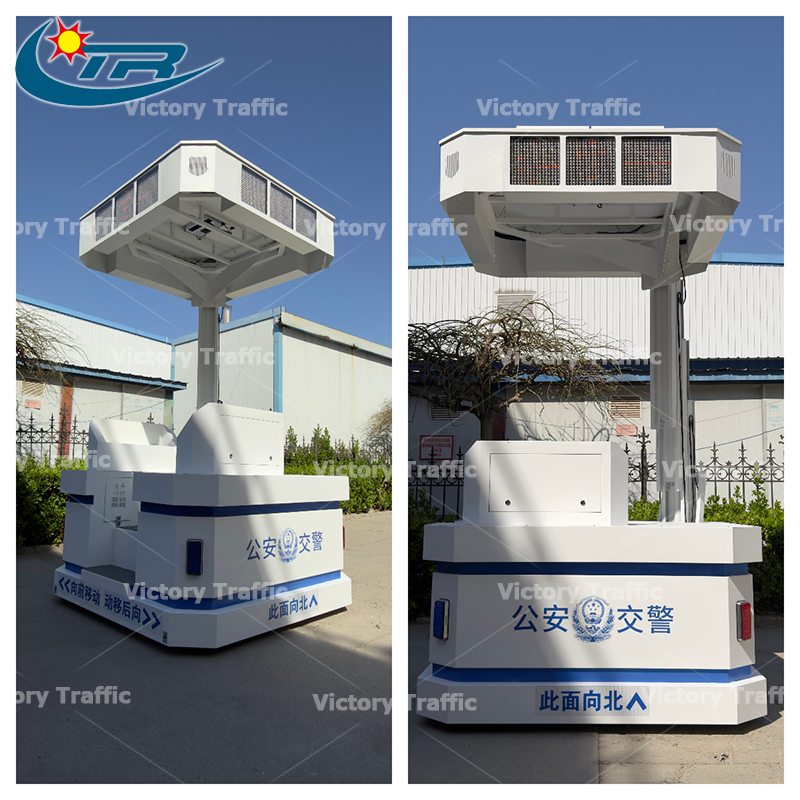
Hebei traffic light manufacturers launch new types constantly. They focus on core functions and adjust designs to fit local road environments for better adaptability.
Traffic Light Installation at Ordinary and Channelized Intersections
Ordinary intersections can have one or more traffic light sets. At channelized intersections, place light poles on triangular diversion islands. Use 400mm diameter lights if stop lines are far from opposite signals.
Installation on Roads Without Motor-Non-Motor Isolation Belts
For roads without motor-non-motor isolation belts, install opposite light poles near curb tangent points. Use cantilever mounting on right sidewalks for wide roads.
Installation on Roads With Motor-Non-Motor Isolation Belts
For roads with isolation belts, set light poles within 2 meters of the belt front. Wide roads can use cantilever lights on right belts or add extra sets on left belts. Narrow motor roads (under 10m) need column-style lights; narrow belts cannot hold poles.
Traffic Light Installation at Overpasses
Install overpass traffic lights on bridge bodies or lane right sides. Add an extra set on the opposite side if there is a secondary stop line underneath.
Traffic Light Installation at Roundabout Intersections
Roundabouts need dedicated traffic lights. Inner sets guide incoming vehicles, while outer sets direct those leaving.
Traffic Light Installation at Large Flat Crossings
Large flat crossings often have left-turn waiting zones. Add extra left-turn arrow lights if drivers cannot see opposite signals. Mount right-turn arrow lights on right-turn diversion islands.
Previous Traffic Light Poles: How to Perform Maintenance and Upkeep?
Traffic Light Poles: How to Perform Maintenance and Upkeep?Next Traffic Light Poles: Installation Requirements for Road Intersections
Traffic Light Poles: Installation Requirements for Road Intersections