Will Solar-Powered Traffic Signals Replace Traditional Traffic Lights?
In short, solar-powered traffic lights will never fully replace traditional grid-powered traffic lights. Instead, the two types will coexist long-term. Specifically, they serve different road scenarios and complement each other. Therefore, solar solutions achieve partial scenario replacement rather than comprehensive replacement.
Core Advantages of Solar Traffic Lights
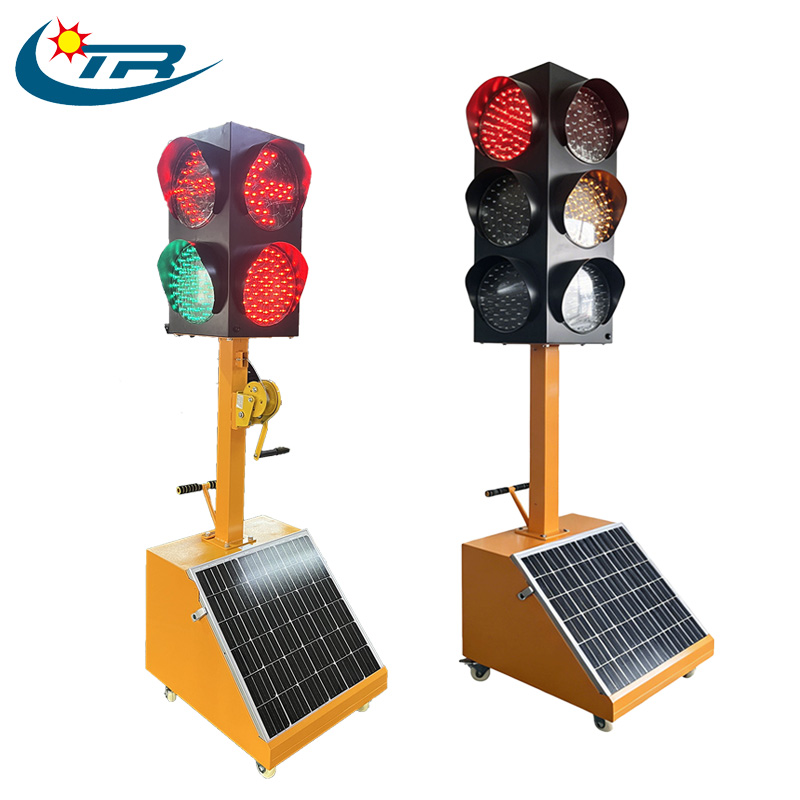
First of all, solar powered traffic lights require no municipal power grid access. Thus, they adapt perfectly to remote villages, mountain roads, scenic spots and temporary construction sections. Furthermore, they eliminate expensive cable laying and trench excavation work.
Besides, they feature extremely flexible and fast installation. Teams can finish on-site deployment in a short time with minimal road damage. Meanwhile, they deliver excellent emergency resilience. Even during blackouts or extreme weather, built-in batteries sustain continuous lighting. Accordingly, they act as reliable backup traffic guarantee devices.
In addition, solar power cuts grid energy consumption. It meets low-carbon and eco-friendly construction demands for modern smart traffic.
Limitations That Prevent Full Replacement
Admittedly, solar-powered traffic lights have certain practical limitations. For one thing, their performance relies heavily on sunlight conditions. Long rainy or foggy weather affects continuous power supply. For another, large batteries and panels raise overall costs for high-latitude and rainy regions.
Moreover, standalone solar systems struggle to support high-power linkage functions. Urban core intersections need stable grid power to match police monitoring, remote scheduling and multi-device linkage. Meanwhile, solar devices require regular cleaning and battery replacement. Hence, they cannot completely replace traditional grid-powered lights in standard urban road systems.
Best Application Scenarios for Solar Traffic Lights
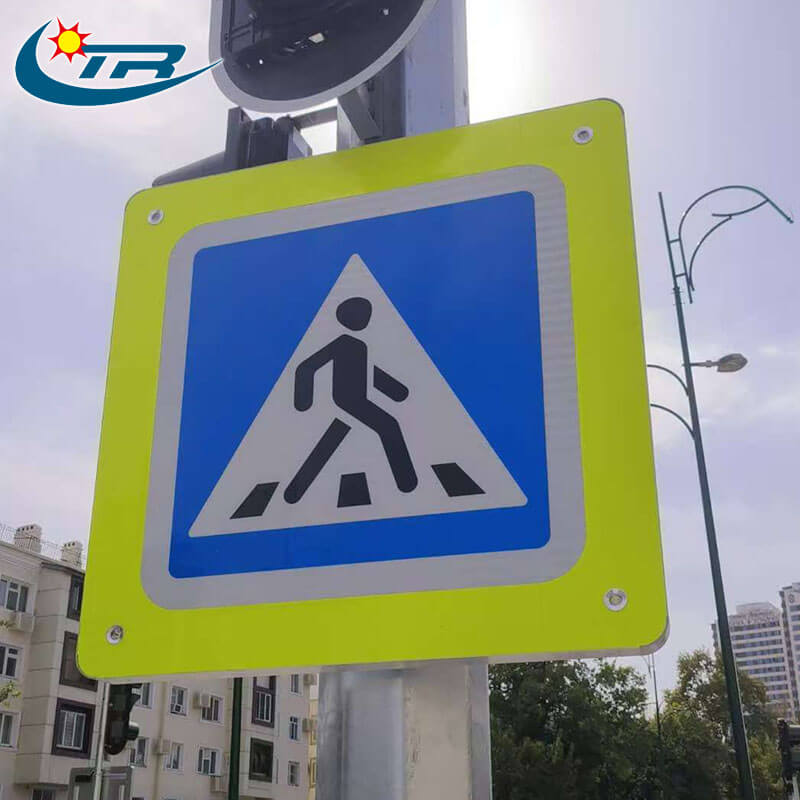
Due to the above features, solar-powered traffic lights fit targeted scenarios perfectly. Primarily, they suit off-grid rural and mountain crossings. Additionally, they work for temporary construction roads, emergency passages and event security sites. In particular, they serve as auxiliary backup signals and pedestrian warning lights in urban areas.
Future Industry Trends
Moving forward, hybrid power modes will become mainstream. Most traffic lights will adopt solar and mains dual power supply. On one hand, solar energy saves daily power consumption. On the other hand, grid power guarantees stability in bad weather.
Furthermore, upgraded controllers and high-performance batteries will improve solar system stability. Meanwhile, national low-carbon policies will continuously promote scenario-based applications. Nevertheless, large-scale full replacement will not occur.
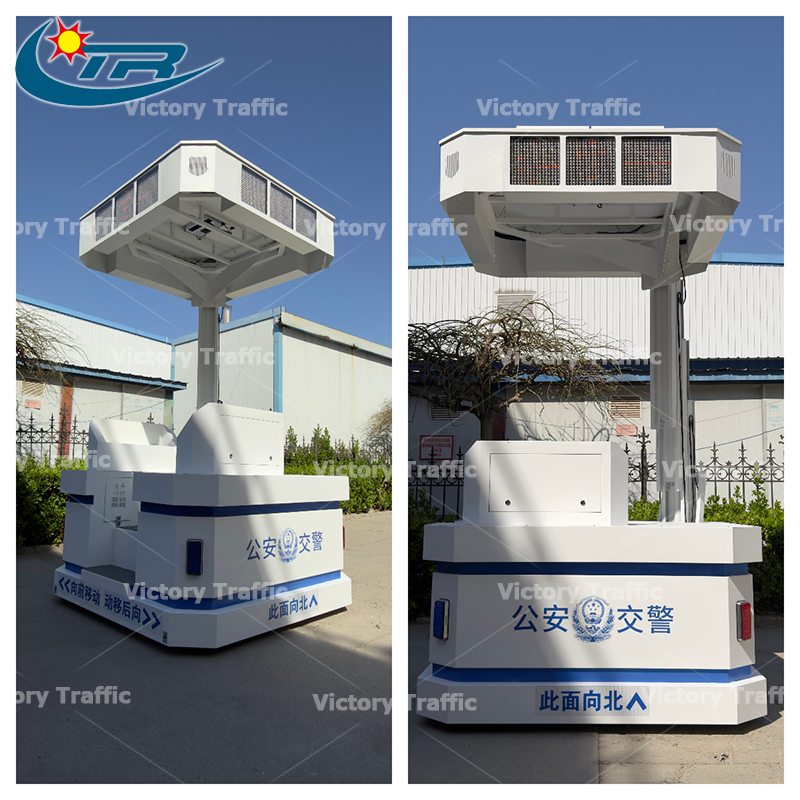 Intelligent Traffic Command Platform
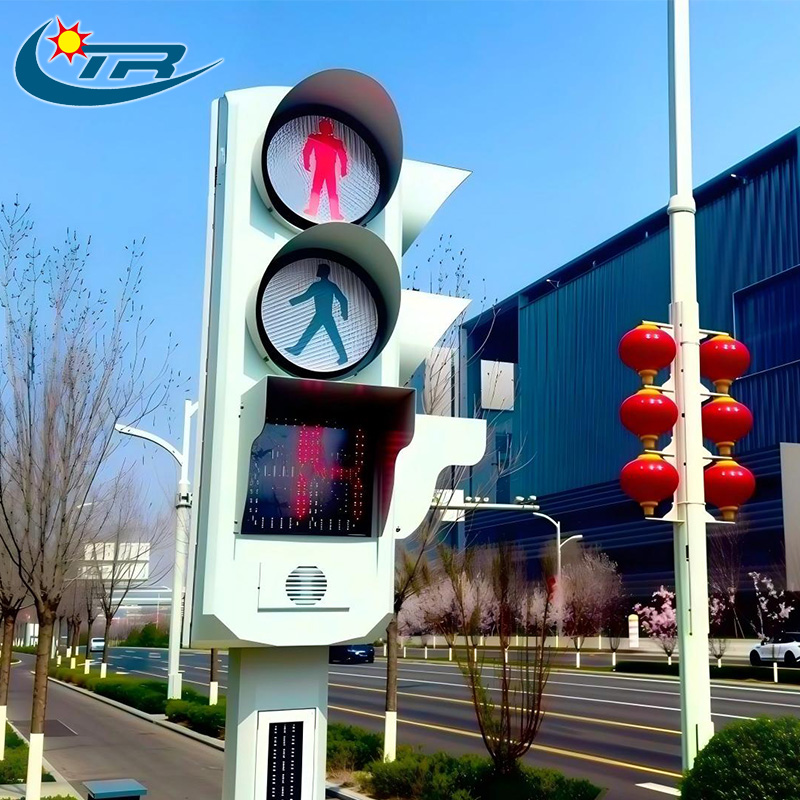 Integrated Pedestrian Traffic Light | All-in-One Crossing Signal Light