Traffic Signal Lights: Core Functions & Road Value
Basic Overview of Classic Traffic Signal Lights
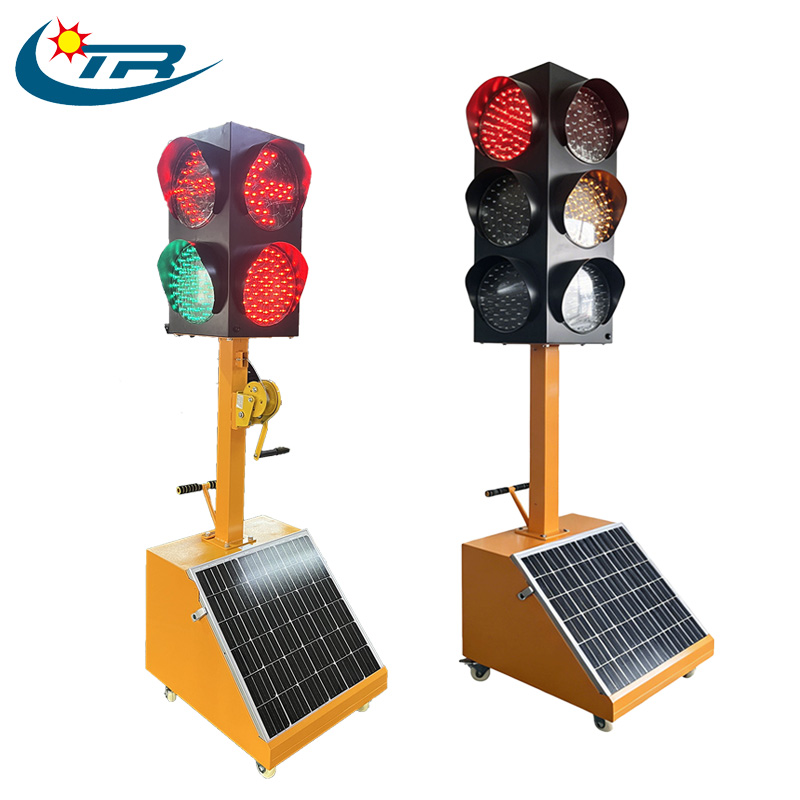
As essential infrastructure, classic traffic signal lights support urban road traffic operation. Adopting standard red, yellow and green light logic, they deliver normative traffic guidance. These professional devices effectively standardize daily road travel order. Boasting simple structures and ultra-stable performance, they adapt to long-term outdoor use. For this reason, they still occupy an important position in modern urban traffic construction.
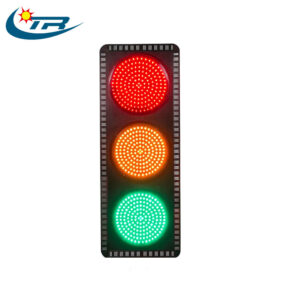
Classic traffic signal lights
Standard Three-color Traffic Guidance Function
First of all, these standard traffic lights provide precise road instruction cues. Specifically, green lights grant safe passage to vehicles and pedestrians. Meanwhile, yellow lights alert road users to slow down and stop timely. In contrast, red lights block passage to prevent traffic collisions. Additionally, they run with fixed timing and automatic switching rules. Consequently, they build orderly and smooth traffic circulation at all intersections.
Stable and Durable Structural Performance
In terms of structural performance, classic traffic signal lights feature superior durability. Notably, they equip with high-strength shells for waterproof and dustproof protection. Such sturdy materials withstand wind, rain, snow and prolonged sunlight exposure. Accordingly, they sustain stable operation across all seasons and harsh weather. Besides that, built-in LED light sources extend the overall service lifespan. In turn, they cut down frequent part replacements and daily maintenance costs.
High Compatibility for Urban Road Scenarios
In terms of application scenarios, these traditional traffic lights own strong compatibility. They perfectly fit urban main roads with heavy traffic flow. Also, they work well on community branch roads with low traffic volume. Moreover, they apply to school crossings and busy commercial street intersections. Correspondingly, they adapt to diverse traffic flow and road layout designs. Furthermore, they coordinate seamlessly with other traffic safety auxiliary facilities.
Conclusion
In summary, classic traffic signal lights possess irreplaceable practical road value. Amazingly, they integrate simple structure, stable performance and high practicability into one. Consistently, they ensure standardized and safe traffic operation throughout the year. Surely, they remain indispensable basic equipment for modern smart city traffic construction.
Previous Solar Mobile Traffic Signal Lights: Features & Practical Applications
Solar Mobile Traffic Signal Lights: Features & Practical ApplicationsNext Solar Powered Radar Speed Signs' Key Advantages
Solar Powered Radar Speed Signs' Key Advantages