Do LED Traffic Signals Require Extra Maintenance in Winter?
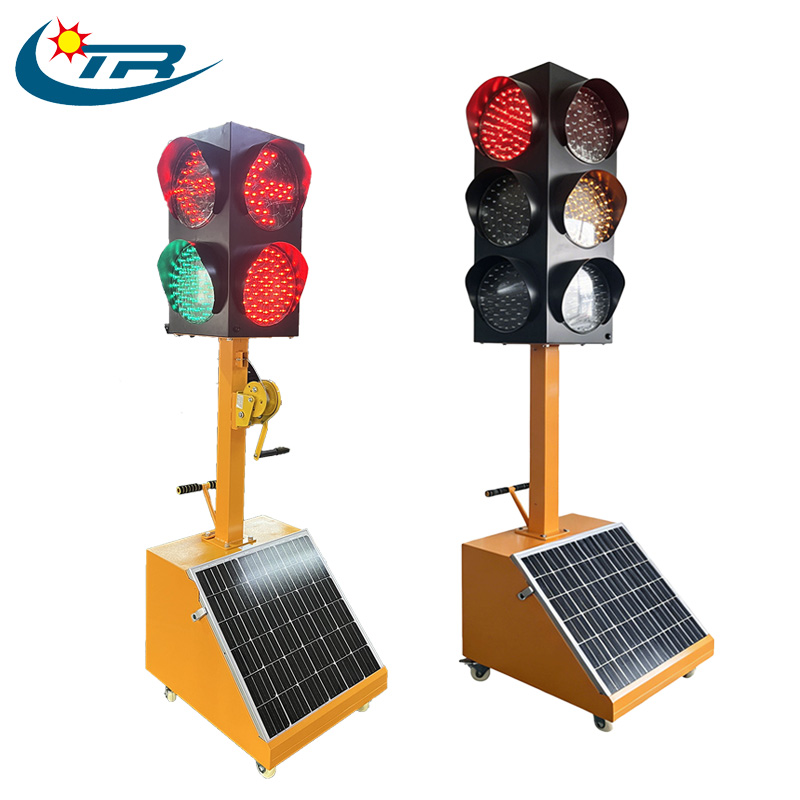
LED traffic signals have become increasingly prevalent due to their superior energy efficiency, long service life, and high brightness. However, winter conditions pose unique challenges to these systems, which may potentially impact their performance and reliability. This article explores whether LED traffic signals require additional maintenance during winter and outlines the best practices to ensure their consistent functionality.
The Impact of Cold Temperatures on LED Traffic Signals
Cold weather can affect electronic devices, and LED traffic signals are no exception—though they are generally more resilient in low temperatures compared to incandescent bulbs, as they do not generate excessive heat. In fact, LEDs typically operate more efficiently in cooler environments, which can even extend their lifespan. That said, the plastic lenses and metal casings of LED signals are prone to contraction in freezing temperatures. If these components are not specifically designed to withstand such thermal changes, they may crack or sustain other forms of damage, compromising the signal’s integrity.
Snow Accumulation on LED Signals
Unlike traditional incandescent bulbs, LEDs emit very little heat. This feature boosts energy efficiency but makes them less effective at melting snow and ice on their surfaces. Snow or ice covering traffic signals reduces visibility for drivers, creating safety hazards. To keep signals clear and functional, you may need extra maintenance steps, such as regular inspections and manual snow removal.
Preventive Winter Maintenance Measures
To avoid winter disruptions to LED traffic signals, you can implement several preventive measures. These measures enhance visibility and reliability:
-
Heating Elements: Install low-power heating elements around or inside the LED signal housing. They effectively melt snow and ice to keep visibility consistent. These systems only activate in freezing conditions, balancing energy conservation and clear lights.
-
Snow Shields or Hoods: Add protective shields or hoods to LED signals. They prevent direct snowfall from piling up on lenses. By redirecting snow and ice away from the light, these accessories reduce manual clearing and visibility issues.
-
Anti-Icing Coatings: Apply anti-icing or hydrophobic coatings to signal lenses. These coatings create a surface that repels snow and ice. Snow and ice slide off easily, lowering obstruction risks during snowstorms or heavy frost.
Regular Inspections for Optimal Functionality
Regular inspections are crucial for winter LED traffic signal maintenance. Municipalities and traffic management teams should schedule frequent checks. These checks help quickly identify and fix issues like snow buildup, lens damage, or faulty heating elements. They also need to inspect the structural integrity of signal hardware—including casings, mounting brackets, and wiring—to prevent failures. These proactive steps ensure LED traffic signals stay reliable even in harsh winter conditions, protecting road safety for drivers and pedestrians.
Previous Advantages of Intelligent Traffic Signal Control Systems
Advantages of Intelligent Traffic Signal Control SystemsNext Smart Zebra Crossing LED Brick Traffic light: Enhance Urban Traffic Safety
Smart Zebra Crossing LED Brick Traffic light: Enhance Urban Traffic Safety