Advantages of Intelligent Traffic Signal Control Systems
Traffic signal control systems serve as a core foundation for regulating vehicle and pedestrian flow at road intersections. As vehicle ownership continues to rise globally, intelligent and efficient traffic management has become indispensable for safeguarding road safety, alleviating traffic congestion, and elevating overall transportation operational efficiency. This article elaborates on the key benefits of deploying a professional traffic signal control system.
Optimized Traffic Flow
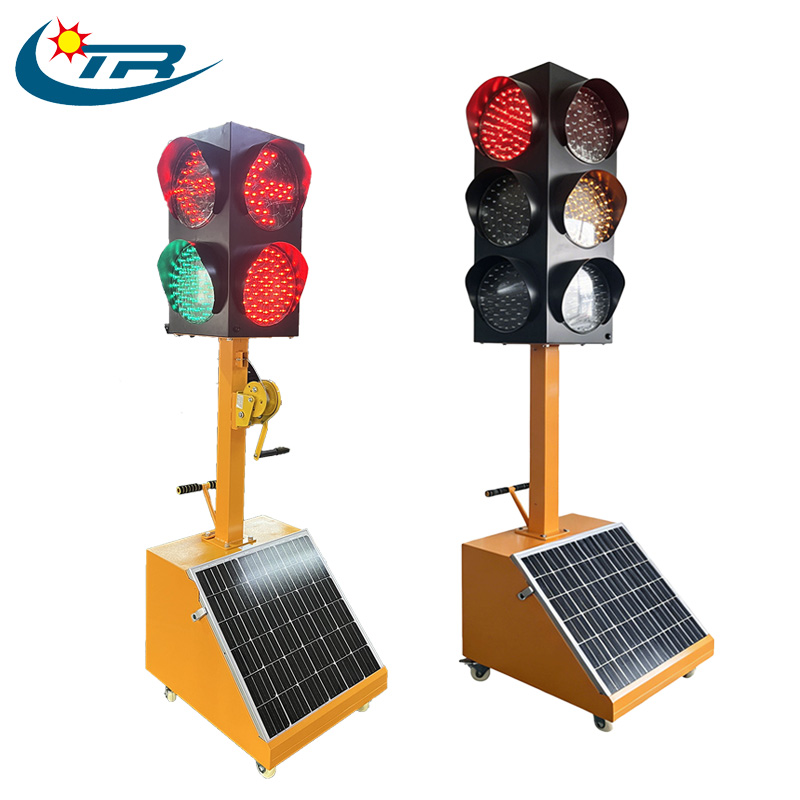
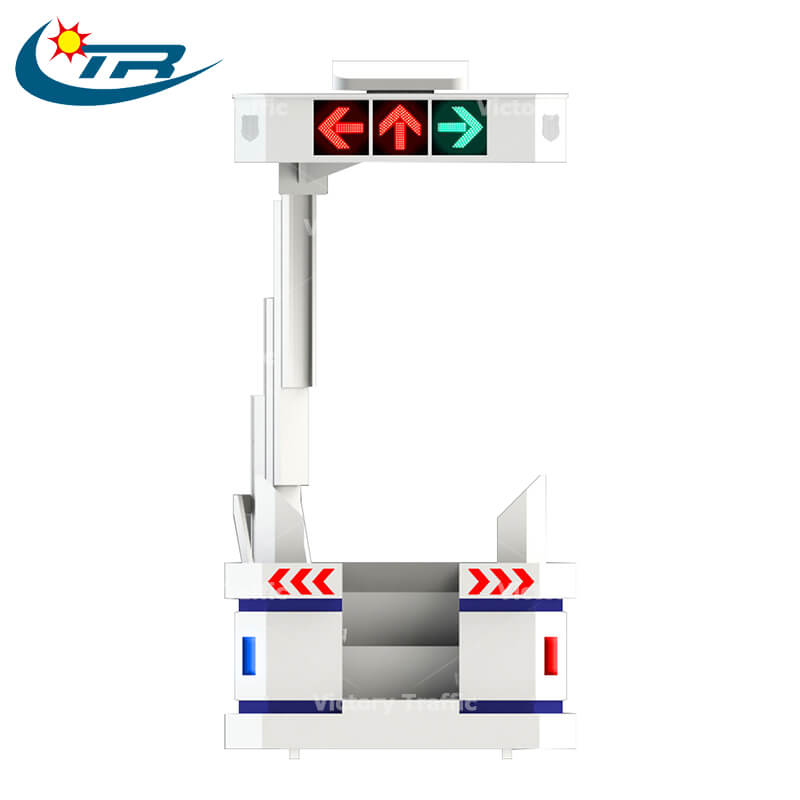
A standout benefit of traffic signal control systems lies in their ability to optimize traffic circulation. By scientifically configuring the timing cycles of red, yellow and green lights at intersections, the system streamlines vehicle passage and cuts down on unnecessary waiting delays. It coordinates traffic movement across all directions to avoid road bottlenecks, delivering a smoother, more stable and predictable driving experience for road users.
In high-traffic-density zones, a rationally designed signal control system effectively eases peak-hour congestion — the period when road traffic reaches its saturation point. By enabling uninterrupted vehicle passage through intersections, the system shortens waiting times for drivers and maximizes the utilization rate of existing road resources.
Elevated Road Safety
Road safety stands as the top priority of traffic management, and traffic signal control systems play a vital role in lowering intersection accident rates. By issuing clear right-of-way instructions for vehicles and pedestrians, the system avoids traffic collisions caused by route confusion and misjudgment.
These signals provide standardized, predictable traffic guidance to all road participants, proving especially valuable at complex multi-road merging intersections with high accident risks. Furthermore, modern intelligent signal systems are integrated with vehicle detection sensors, which adapt light timing in real time based on actual traffic conditions. This intelligent adjustment effectively mitigates hazardous scenarios such as red-light running, further reinforcing road safety protection.
Lower Fuel Consumption & Carbon Emissions
Traffic signal control systems also deliver remarkable environmental benefits. By smoothing traffic flow and minimizing frequent stop-and-go driving, the system reduces vehicle fuel consumption and exhaust emissions. Smooth traffic movement cuts engine idling time at intersections, lowering fuel waste and the discharge of harmful atmospheric pollutants.
For cities plagued by severe traffic congestion, adopting an efficient traffic signal control system helps improve urban air quality and reduce the carbon footprint of the transportation sector. This advantage is particularly prominent in metropolitan areas, where air pollution control and sustainable transportation development are key development priorities.
Time & Economic Cost Savings
Time is a precious social resource, and traffic signal control systems slash intersection waiting times for both drivers and pedestrians. Daily commuters enjoy shorter travel durations and more predictable commute routes. For logistics and freight enterprises, optimized traffic management shortens delivery cycles and curbs fuel expenses, bringing substantial operational cost savings.
From a macro perspective, congestion relief driven by intelligent signal control also fuels urban and regional economic growth. Reduced time wasted in traffic boosts overall social productivity, allowing individuals and enterprises to devote more time to value-creating work instead of being stranded on roads.
Enhanced Protection for Pedestrians & Cyclists
Beyond managing motor vehicle traffic, traffic signal control systems greatly strengthen safety guarantees for pedestrians and non-motorized cyclists. By setting exclusive signal phases for foot traffic and cycling users, the system separates their crossing routes from motor vehicles, eliminating collision risks at intersections.
In areas with heavy pedestrian and cyclist activity, equipping traffic control systems with dedicated pedestrian and cycling signals is critical to promoting green non-motorized travel. This infrastructure encourages more residents to choose walking or cycling as daily travel methods, fostering healthier lifestyles and reducing reliance on motor vehicles.
Previous History of Traffic Signal Light Development
History of Traffic Signal Light DevelopmentNext Do LED Traffic Signals Require Extra Maintenance in Winter?
Do LED Traffic Signals Require Extra Maintenance in Winter?