History of Traffic Signal Light Development
I. Early Gas-Powered Traffic Signal Lights (19th Century)
In 1858, the world’s first traffic signal light appeared in London, UK. It used gas as its light source and featured a red and blue mechanical wrench design. Additionally, it was specifically used to direct horse-drawn carriages.
In 1868, British engineer Knight improved early traffic signal lights. He installed the first gas-powered traffic light in front of London’s Parliament Building, and this step ultimately pushed traffic signal lights toward a scientific system.
This gas-powered traffic signal light had red and green rotating glass lanterns and clarified red for “stop” and green for “attention”. However, in 1869, a gas lamp explosion injured a policeman; thus, the traffic signal light was abolished shortly after.
II. Emergence of Electric Traffic Signal Lights (Early 20th Century)
As electrical technology developed, traffic signal lights underwent an upgrade. In 1914, electrically activated traffic signal lights appeared in the U.S., replacing gas-powered ones. Furthermore, they ushered in the electrical era of traffic signal lights.
This electric traffic signal light had red, green and yellow circular floodlights and was installed on a high tower on New York’s 5th Avenue. Its rules were close to modern ones: red means “stop”, green means “go”, and yellow reminds vehicles to prepare to start or stop.
III. Functional Upgrade of Traffic Signal Lights (1918)
In 1918, traffic signal lights’ functions were optimized, and two new types emerged: controlled and infrared traffic signal lights. Specifically, these types significantly improved command flexibility and safety.
Controlled traffic signal lights have two types. First, underground pressure detectors trigger signal switching; second, drivers press the horn to start switching. Besides, both types effectively boost traffic efficiency.
Infrared traffic signal lights focus on pedestrian safety. For example, they detect pedestrians’ need to cross the road and then extend red light time to delay vehicle release. Consequently, this reduces traffic accidents effectively.
IV. Standardization of Traffic Signal Lights (1968 and Beyond)
Traffic signal lights are widely used, as they effectively control traffic. Additionally, they help divert traffic flow and also improve road capacity while reducing accidents.
In 1868, the United Nations issued an agreement that unified the meanings of all traffic signal lights. As a result, this made them a globally used traffic command tool.
The agreement has clear rules. For instance, green light allows straight travel and turns, but vehicles must yield to priority vehicles and pedestrians. Meanwhile, red light requires stopping behind the intersection stop line, and yellow light prohibits crossing the line. However, vehicles can enter the intersection if they are too close to stop safely.
Since then, this standard has been used worldwide, and traffic signal lights have become an indispensable modern traffic facility. Above all, they safeguard road safety and traffic efficiency.
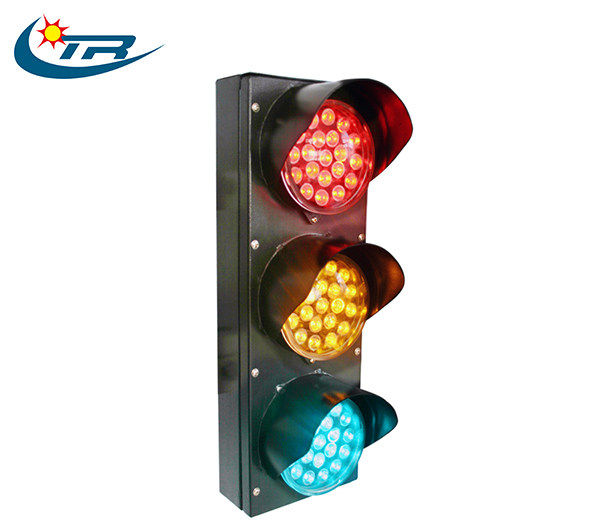 Traffic Lights: Main Functions and Practical Values
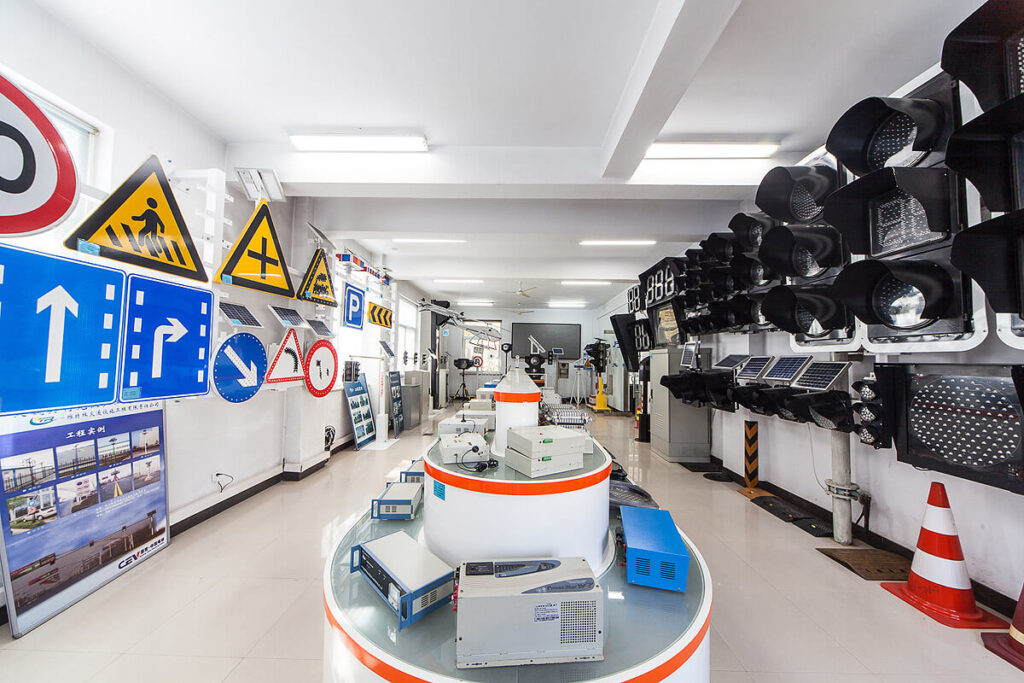 Advantages of Intelligent Traffic Signal Control Systems