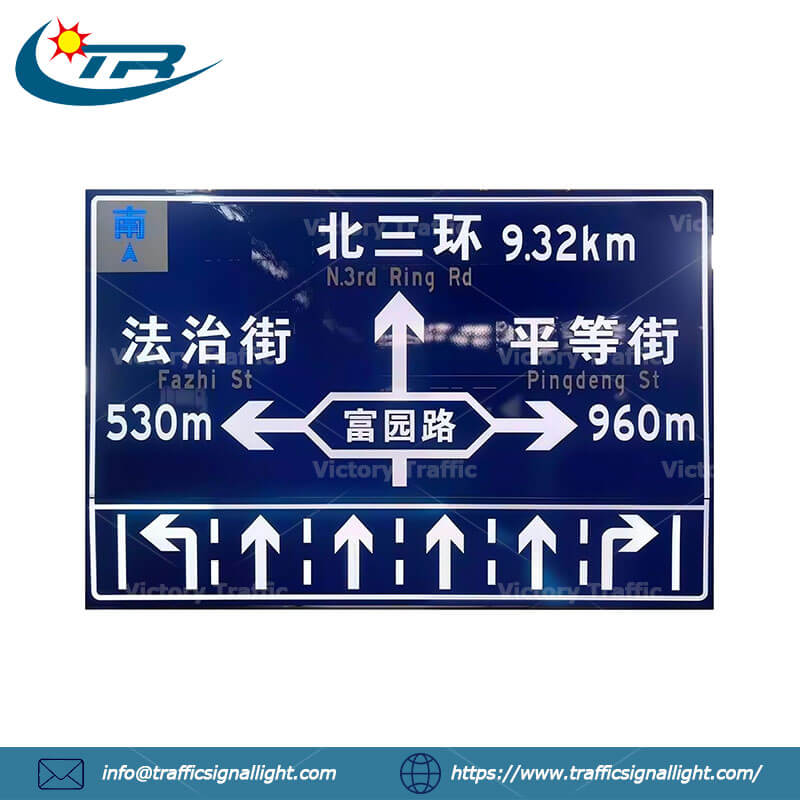
Integrated Pedestrian Crossing Signal Lights: Key to Uninterrupted Traffic for Vehicles and Pedestrians
In the dynamic landscape of urban traffic, integrated pedestrian crossing signal lights have emerged as a linchpin in enhancing the seamless movement of both vehicles and pedestrians. In this article, we will explore in detail how these signal lights can significantly boost traffic smoothness from three essential perspectives: optimizing signal light settings, strengthening traffic management, and enhancing pedestrian passage efficiency.
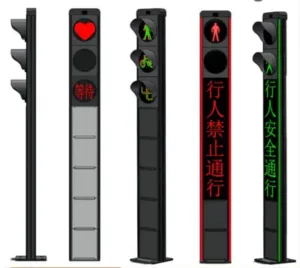
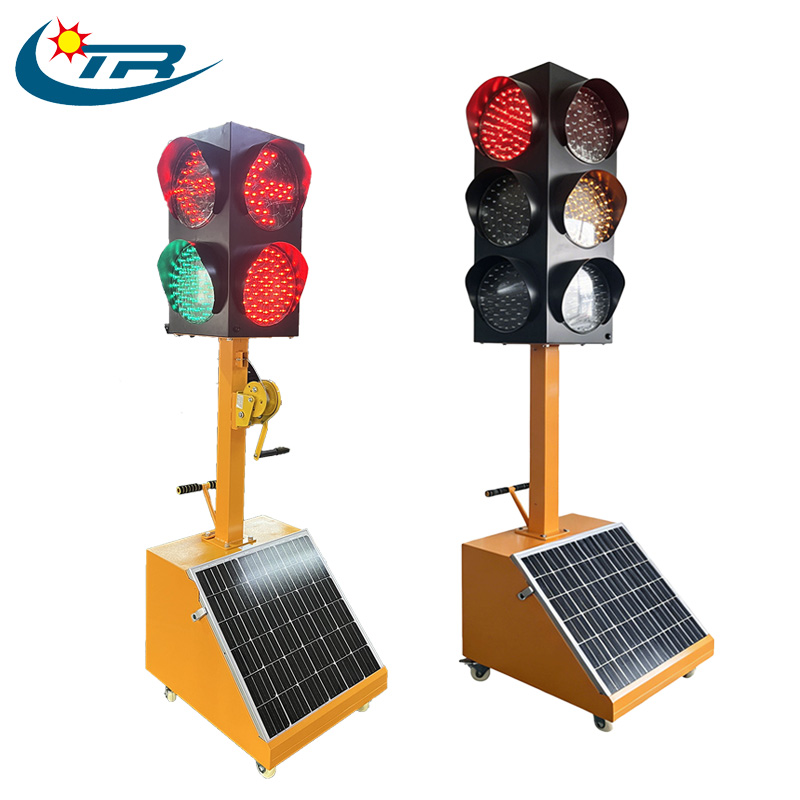
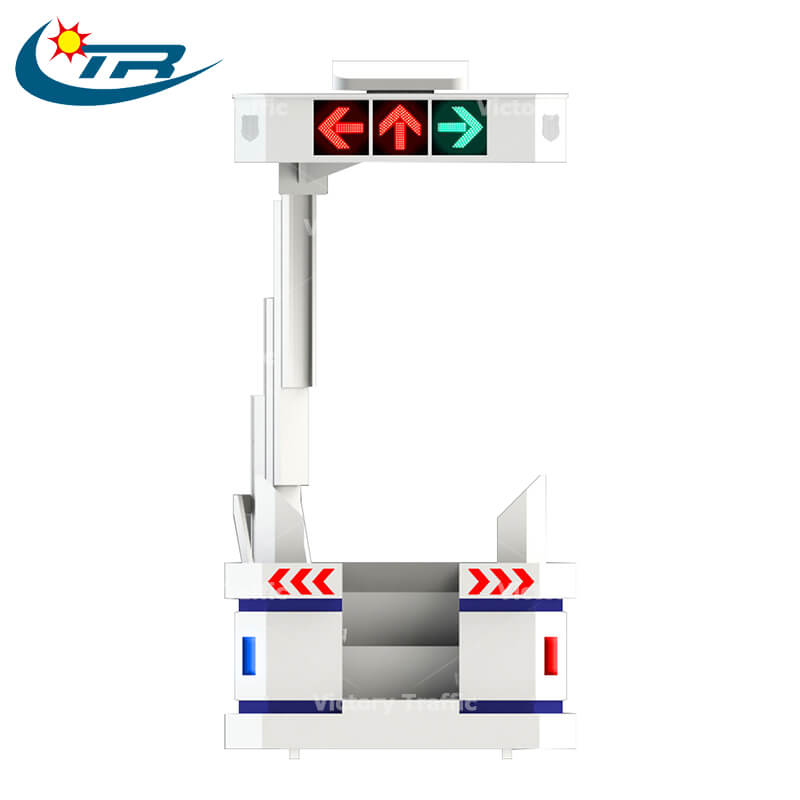
Integrated traffic signal light
Optimizing Signal Light Settings: A Cornerstone for Traffic Flow
First and foremost, let’s delve into the importance of optimizing the settings of integrated pedestrian crossing signal lights. This is a fundamental step towards enhancing traffic smoothness for both vehicles and pedestrians. The primary goal when setting these signal lights should be to maximize traffic efficiency. We can achieve this by carefully adjusting the time intervals of the signal lights based on the ebb and flow of traffic volume and the specific needs of pedestrian passage.
For instance, during peak traffic hours, it becomes crucial to extend the vehicle – passing time. By doing so, we can reduce the number of times vehicles have to stop at the signal lights, thus alleviating traffic congestion effectively. On the other hand, in areas where a large number of pedestrians cross the road, we need to allocate more time for pedestrian crossing. This not only improves pedestrian passage efficiency but also shortens their waiting time.
Moreover, integrated pedestrian crossing signal lights can greatly benefit from an intelligent signal control system. This system has the ability to monitor traffic volume and pedestrian passage demands in real – time. As a result, it can automatically adjust the time intervals of the signal lights, ensuring a more precise and efficient traffic control mechanism. In other words, this intelligent system can adapt to the changing traffic conditions, making the traffic flow smoother for both vehicles and pedestrians.
Strengthening Traffic Management: The Backbone of Smooth Traffic
Secondly, strengthening traffic management is an equally vital aspect in enhancing the traffic smoothness for vehicles and pedestrians. Traffic management departments play a pivotal role in this regard. They should step up their efforts in monitoring and dispatching traffic flow. By doing so, they can ensure a more rational allocation of road resources, which is essential for the smooth passage of both vehicles and pedestrians.
One effective way to achieve this is by installing more traffic monitoring devices. These devices enable the traffic management departments to detect traffic volume and road congestion in a timely manner. Once they identify any issues, they can take immediate steps to alleviate traffic. For example, they might adjust traffic signals or direct traffic to alternative routes.
In addition to monitoring, it is also crucial to enforce traffic laws more stringently. By promptly punishing those who violate traffic rules, we can reduce the occurrence of traffic accidents. This, in turn, improves the overall road – passing efficiency. Furthermore, government departments can play an active role in promoting green public transportation. By encouraging people to use fewer private vehicles, we can effectively reduce traffic congestion, thereby enhancing the traffic smoothness for both vehicles and pedestrians.
Enhancing Pedestrian Passage Efficiency: A Key to Overall Traffic Smoothness
Finally, enhancing pedestrian passage efficiency is a key link in the chain of enhancing the traffic smoothness for vehicles and pedestrians. When setting up integrated pedestrian crossing signal lights, we must prioritize pedestrian passage demands. This means increasing the time available for pedestrians to cross the road and reducing their waiting time.
Moreover, we need to invest in educating and raising awareness among pedestrians. By cultivating their awareness and habits of abiding by traffic rules, we can minimize the negative impact of pedestrian violations on traffic. For special groups such as the elderly, children, and the disabled, it is our responsibility to provide corresponding convenience measures. These measures can create a more accessible and smoother passage environment for them, ultimately contributing to the overall traffic smoothness.
In conclusion, integrated pedestrian crossing signal lights, along with optimized settings, strengthened traffic management, and enhanced pedestrian passage efficiency, are the keys to ensuring a seamless and efficient traffic flow for both vehicles and pedestrians in our urban areas.
Previous Traffic Signals: Why Are Traffic Lights the Dominant Form?
Traffic Signals: Why Are Traffic Lights the Dominant Form?Next Traffic Signal Light: Its Role and Impact in the Traffic Field
Traffic Signal Light: Its Role and Impact in the Traffic Field