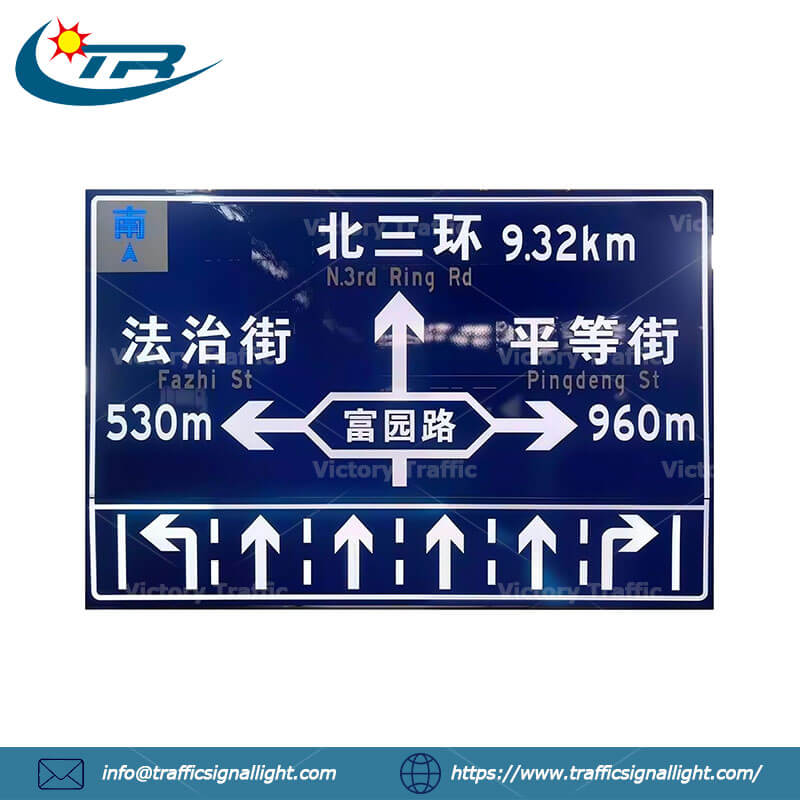
Traffic Signals: Why Are Traffic Lights the Dominant Form?
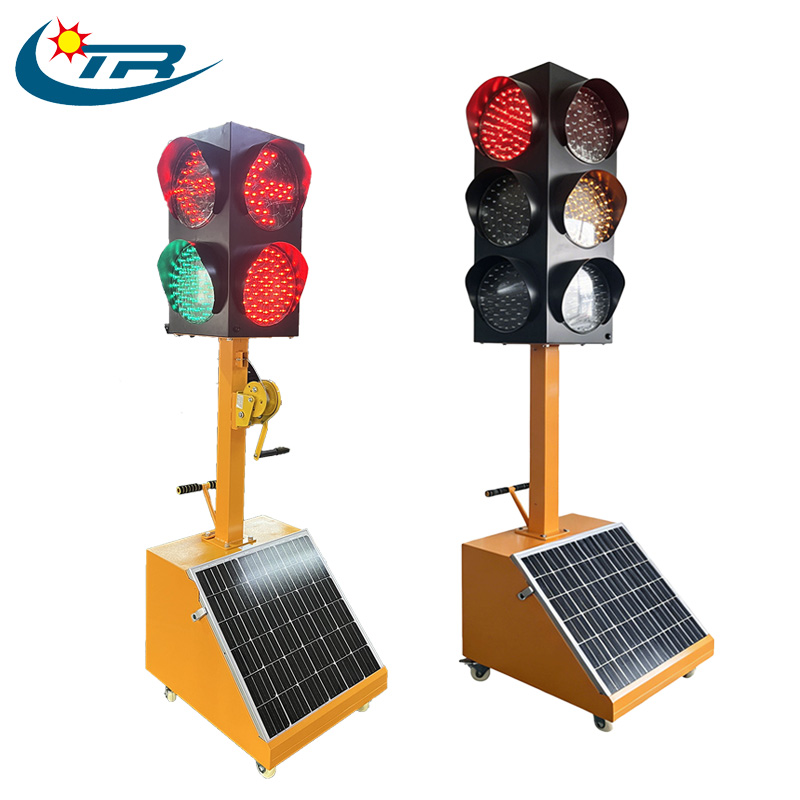
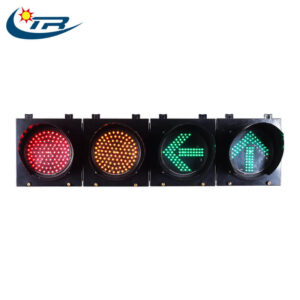
Traffic lights stand as the preeminent form of traffic signals. There are compelling reasons behind this, chiefly their simplistic, intuitive visual cues and the deeply – ingrained traffic rules and habits that have developed over time. Moreover, traffic lights offer distinct advantages in terms of economy, operability, and reliability. Despite their prevalence in modern urban traffic management, innovative traffic signal designs do exist, and we’ll explore them in depth.
Traffic lights
The Appeal of Traffic Lights: Simplicity and Intuitiveness
First and foremost, traffic lights reign as the primary form of traffic signals largely because of their simplicity and intuitiveness. The red light clearly signals “stop,” while the green light indicates “go.” This distinct color contrast aligns with common sense, making it effortless for people to understand. This straightforward design enables traffic lights to convey crucial information rapidly to drivers and pedestrians, prompting them to take appropriate actions promptly. Additionally, the bright on – off states of traffic lights make them easily observable and distinguishable from afar. In essence, this simplicity ensures that even novice road users can quickly grasp the signal’s meaning, facilitating seamless traffic flow.
The Merits of Traffic Lights: Economy, Operability, and Reliability
Secondly, traffic lights bring numerous benefits to traffic management, especially in terms of economy, operability, and reliability. Economically speaking, manufacturing and installing traffic lights is relatively uncomplicated, which keeps costs down. Manufacturers can produce them in large quantities using standardized components, reducing production expenses significantly. At the same time, traffic lights are built to last. They can endure years of exposure to harsh weather conditions, like wind, rain, and sunlight, without succumbing to damage easily. This remarkable durability guarantees consistent operation with minimal disruptions. Furthermore, operating traffic lights is a breeze. Once you set parameters such as time intervals and yellow – light durations, they can function autonomously without constant manual intervention. This not only simplifies management but also cuts down on associated costs, making traffic lights a highly efficient choice for traffic control across various scenarios.
The Shortcomings of Traditional Traffic Lights
However, despite their widespread use, traffic lights, as the dominant traffic signal form, are not without flaws. For instance, the fixed – time intervals of traffic lights often fail to adapt to the ebb and flow of actual traffic. As a result, this can lead to traffic congestion during peak hours or inefficient traffic movement during off – peak times. Consider a scenario where a long – standing green light for one direction causes excessive waiting for vehicles and pedestrians in the other direction, even when there’s minimal traffic in the green – light – receiving lane. Additionally, traffic lights can only grant a green light to one traffic flow at a time. This means that vehicles and pedestrians in the opposite traffic flow have to endure waiting for the red light to turn green, resulting in wasted time and unnecessary delays.
Innovative Approaches to Traffic Signals
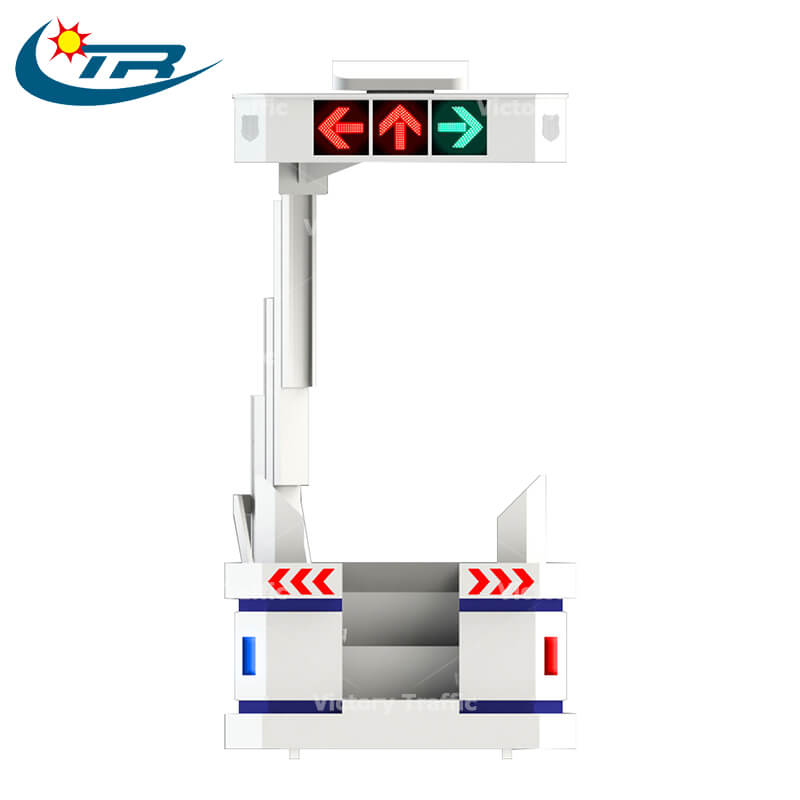
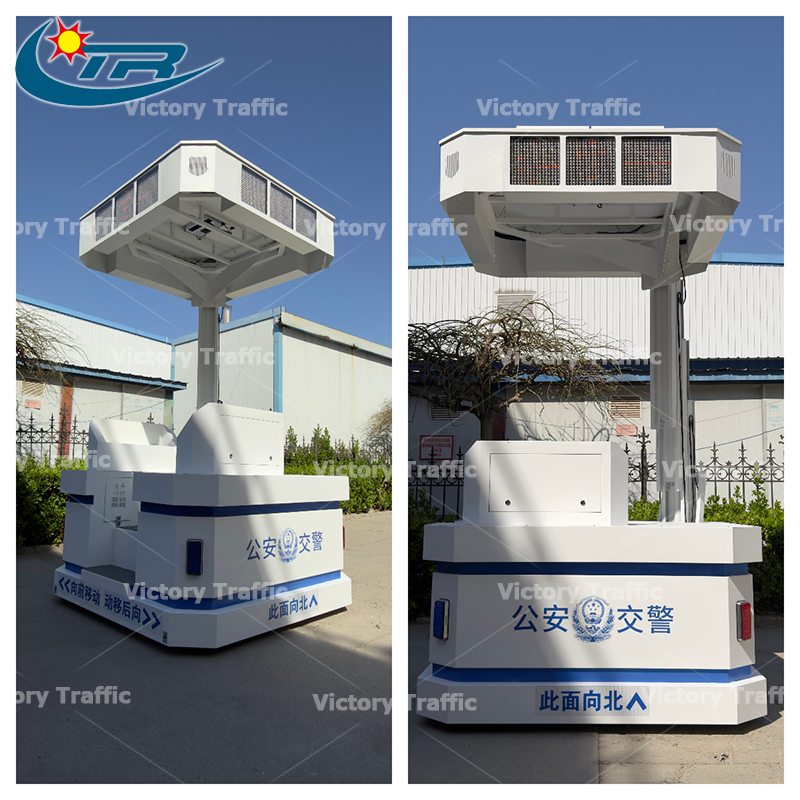
Thankfully, to address these limitations, innovative traffic signal designs have emerged. For example, an intelligent traffic signal system can revolutionize traffic management. This system can dynamically adjust signal time intervals by continuously monitoring and analyzing traffic flow in real – time. By leveraging advanced sensors and algorithms, it can accurately assess the volume of vehicles and pedestrians in different directions and allocate appropriate green – light times accordingly. This approach significantly improves traffic flow efficiency, alleviating congestion and reducing waiting times. Moreover, during peak hours, traffic wardens or commanders can play a vital role. They can manually adjust traffic signals based on the actual traffic conditions at the scene. This human – in – the – loop approach allows for flexible control, ensuring that traffic management can adapt to the unique demands of each situation. In conclusion, these innovative solutions, combining technology – driven intelligence and human – based flexibility, have the potential to transform traffic management and enhance the overall efficiency of our road networks.
Previous Traffic Signals Malfunction: How Should Drivers Respond Correctly?
Traffic Signals Malfunction: How Should Drivers Respond Correctly?Next Integrated Pedestrian Crossing Signal Lights: Key to Uninterrupted Traffic for Vehicles and Pedestrians
Integrated Pedestrian Crossing Signal Lights: Key to Uninterrupted Traffic for Vehicles and Pedestrians