How Integrated Pedestrian Crossing Signal Lights Revolutionize Traffic Efficiency
Integrated Pedestrian Crossing Signal Lights are a game – changer in traffic management. Their integrated design, intelligent control, and multi – scenario adaptability boost efficiency across pedestrian crossing, vehicle flow, and intersection conflict resolution.
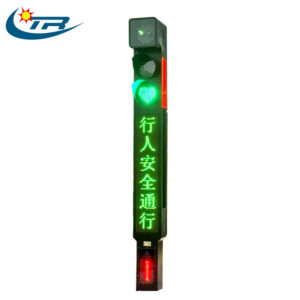
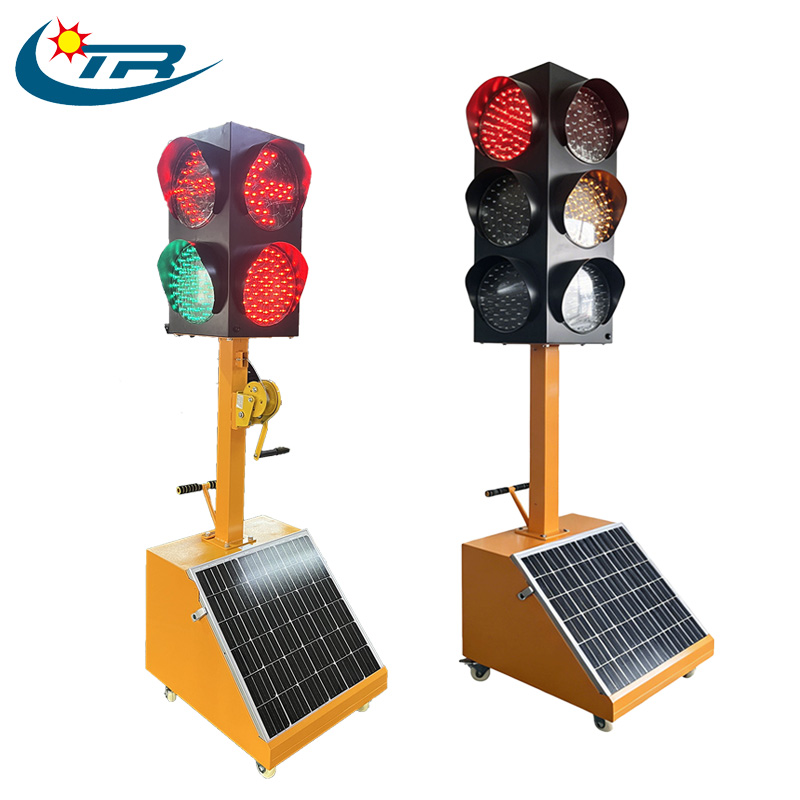
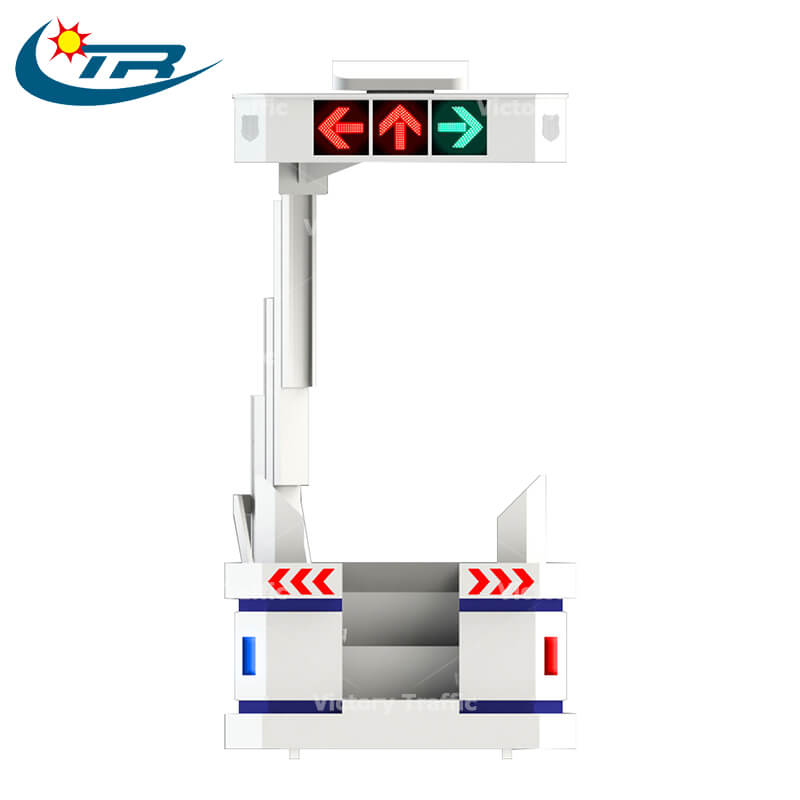
Integrated traffic signal light
I. Streamlining Pedestrian Passage
Traditional pole – type pedestrian lights make it difficult for pedestrians to spot signals, as they can be distracted by billboards or encounter blind spots. Integrated Pedestrian Crossing Signal Lights combine pedestrian lights, vehicle lights, and text prompts (such as “Please wait” or “Cross quickly”) in one compact unit.
A. Intuitive Navigation
Integrated Pedestrian Crossing Signal Lights enable pedestrians to quickly determine the traffic status, reducing hesitation time and accelerating the crossing process.
B. Inclusive Design
Some Integrated Pedestrian Crossing Signal Lights incorporate voice prompts like “The green light is on, please cross” or tactile feedback on the blind path. This benefits visually – impaired individuals and ensures a more synchronized and efficient pedestrian flow for all groups.
II. Synchronizing Traffic Flow
Integrated Pedestrian Crossing Signal Lights operate in tandem with vehicle lights and intersection controllers to achieve seamless “pedestrian – vehicle” phase connection.
A. Adaptive Phase Adjustment
During off – peak hours when pedestrian flow is low, Integrated Pedestrian Crossing Signal Lights collaborate with vehicle lights. They adopt a “short green light + quick switch” approach, with the pedestrian green light duration optimized to around 10 – 15 seconds to reduce vehicle waiting time. When pedestrian flow surges, such as after school or during peak business district hours, the pedestrian green light is extended, and the vehicle red light duration is adjusted accordingly to prevent congestion.
B. Proactive Conflict Management
Certain intelligent Integrated Pedestrian Crossing Signal Lights are equipped with built – in radar or camera sensors. These sensors can detect real – time instances of pedestrians running red lights or entering the intersection. In response, they send an “attention – deceleration” alert to vehicles in advance, using methods like a flashing yellow light or an LED screen showing “Watch out for pedestrians”. Simultaneously, the pedestrian light turns red, minimizing sudden braking and honking due to pedestrian – vehicle conflicts and maintaining the continuity of vehicle traffic.
III. Rationalizing Infrastructure
Traditional pedestrian lights with independent poles often consume valuable corner space at intersections, especially in narrow roads or complex traffic junctions, and may block the driver’s line of sight. Integrated Pedestrian Crossing Signal Lights offer more space – efficient designs, such as pole – integrated, cantilever – type, or embedded options (like installation on street light poles or traffic sign poles).
A. Space – Saving Design
The integration of these signal lights eliminates the need for additional land – intensive poles. This not only prevents pedestrians from standing in a way that could block the view of following vehicles but also reduces the likelihood of vehicles detouring due to cluttered facilities. As a result, the intersection’s traffic vision improves, and the space turnover rate increases, allowing for a more efficient use of available space.
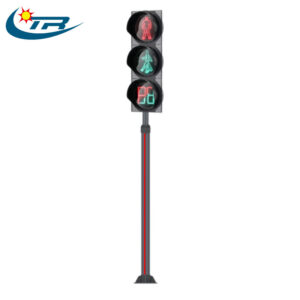
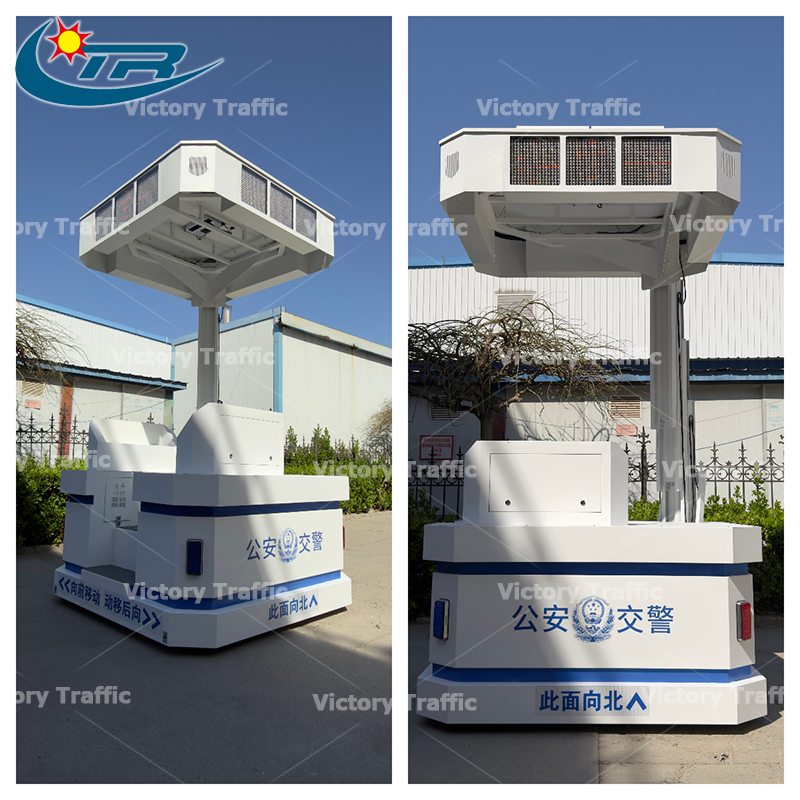
Integrated traffic signal light
B. Cost – Effective Maintenance
The integrated structure of Integrated Pedestrian Crossing Signal Lights significantly reduces the number of circuit connection points, thereby lowering the probability of equipment failures. For example, in traditional independent pedestrian lights, circuit aging and lamp bead damage require separate repairs. In contrast, the integrated design shortens the repair time for failures, minimizing traffic disruptions caused by signal light malfunctions. Statistics indicate that signal light failures can decrease intersection traffic efficiency by 30% – 50%, highlighting the importance of this maintenance – friendly design.
IV. Leveraging Data Intelligence
Smart Integrated Pedestrian Crossing Signal Lights can be seamlessly integrated into the urban traffic management system, or the “urban traffic brain”. By collecting data on pedestrian flow, vehicle speed, and intersection saturation, they can achieve “time – allocation on – demand” to optimize traffic operations.
A. Coordinated Regional Control
Integrated Pedestrian Crossing Signal Lights at adjacent intersections can form a “green wave”. This synchronization ensures that the pedestrian green light aligns with the vehicle green light at the downstream intersection. For instance, in a commercial street with continuous pedestrian crossings, pedestrians can cross continuously with minimal waiting. Vehicles can also benefit from the green wave, reducing the number of stops and enhancing the overall traffic efficiency of the section.
B. Swift Response to Abnormal Events
When an accident or temporary control occurs at an intersection, Integrated Pedestrian Crossing Signal Lights can promptly receive remote commands. They can quickly switch to a “full – red clearance” or “pedestrian – priority” mode. This rapid response helps avoid secondary accidents and shortens the duration of traffic impact during emergency handling, ensuring the resilience of the traffic system.
V. Fostering Compliance
The high visibility and standardization of Integrated Pedestrian Crossing Signal Lights play a crucial role in promoting traffic compliance.
A. Enhanced Awareness for Pedestrian Compliance
Pedestrians are more likely to clearly notice the “no – go” red light signal, especially with a more prominent red standing – figure icon. This heightened visibility increases their awareness of waiting, reducing the likelihood of running red lights.
B. Clear Signals for Vehicle Driver Compliance
Vehicle drivers can benefit from the “clear phase” of the integrated light group. This clarity reduces “tentative passing” behavior, minimizing disorderly interweaving within the intersection. As a result, the overall traffic order improves, leading to enhanced traffic efficiency.
Previous How to Determine Whether Street Traffic Signal Lights Require Replacement?
How to Determine Whether Street Traffic Signal Lights Require Replacement?Next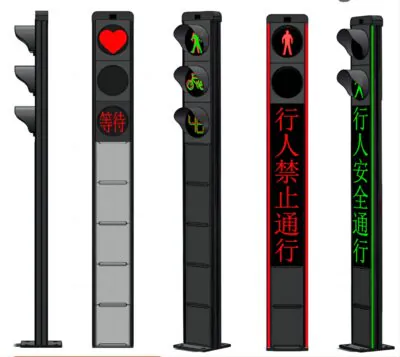 Integrated Pedestrian Crossing Signals: Mastering Their Operation
Integrated Pedestrian Crossing Signals: Mastering Their Operation