How to Determine Whether Street Traffic Signal Lights Require Replacement?
When evaluating whether street traffic signal lights need replacement, we need to take multiple factors into account. We can broadly categorize these factors into equipment – related aspects, the impact of usage time, and changes in traffic and environmental conditions.
Equipment Operating Conditions
Abnormal Light Display in Street Traffic Signal Lights
- Insufficient Brightness: Traffic signal lights play a crucial role in maintaining traffic order, and we must ensure they are clearly visible under all environmental conditions. If, during the day or in normal lighting, the lights of street traffic signal lights appear dim and drivers and pedestrians have difficulty clearly identifying them, this indicates a potential problem. For instance, in sunny weather, a street traffic signal light’s red light that should be highly visible becomes indistinct, increasing the risk of driver misjudgment. In such cases, we might need to replace the lights.
- Color Deviation:
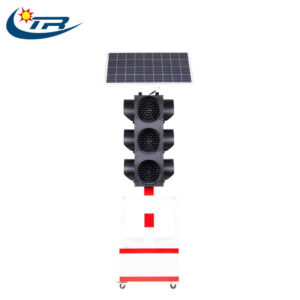
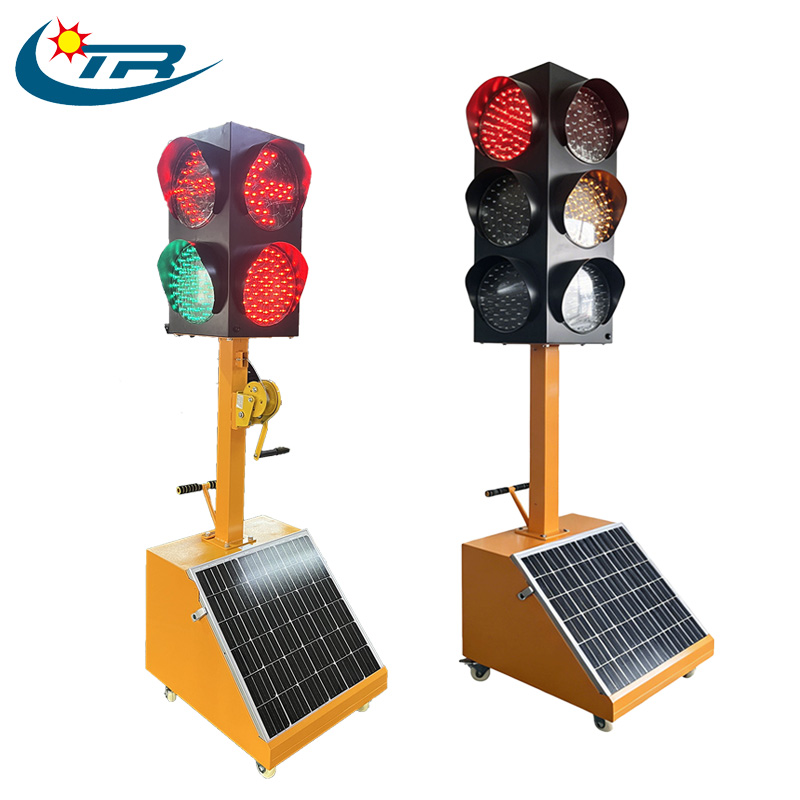
Solar Mobile Traffic Signal Light
The colors of street traffic signal lights must adhere to strict standards. Any color deviation, like red taking on a purple hue or green turning yellow, can cause confusion among traffic participants. Bulb aging, light – source quality issues, or discolored lamp covers often cause this color change, which can lead to misunderstandings of the signals and potential safety hazards. When such color deviations occur in street traffic signal lights, we must replace them.
- Flickering or Out – of – Order: Frequent flickering, intermittent outages, or complete failure of street traffic signal lights can severely disrupt the normal traffic flow. This not only creates chaos at intersections but also significantly increases the likelihood of traffic accidents. For example, a sudden failure of a green light in street traffic signal lights can halt vehicle and pedestrian movement, resulting in congestion. As soon as we detect such problems, we should arrange immediate replacement of the street traffic signal lights.
Frequent Malfunctions in Street Traffic Signal Lights
If a street traffic signal light malfunctions repeatedly within a specific time frame, say, within a month, even if we can repair it each time, this frequent breakdown indicates underlying stability issues. There could be severe aging or damage to internal components. In the long run, replacing the street traffic signal light with a new one is a more reliable solution to ensure continuous and smooth traffic operation.
Service Life and Aging Degree of Street Traffic Signal Lights
Reaching the Service Life
Different types of street traffic signal lights have varying expected service lives. Traditional incandescent – bulb – based street traffic signal lights typically have a shorter lifespan, around 1 – 2 years. In contrast, LED – based street traffic signal lights can last longer, usually 5 – 10 years. However, harsh environmental conditions, such as high temperatures, high humidity, or strong corrosive elements, can shorten their actual service life.
Component Aging in Street Traffic Signal Lights
As time passes, components of street traffic signal lights start to age. Bulbs may experience a decline in luminous efficiency, lamp covers can become brittle and discolored due to long – term exposure to the elements, reducing light transmission. Electronic components may also develop issues like poor contact and unstable performance. We should carry out regular inspections. By observing physical signs like damage, deformation, or discoloration of components, and by testing the performance of electronic components, we can determine if aging has made it necessary to replace the street traffic signal lights.
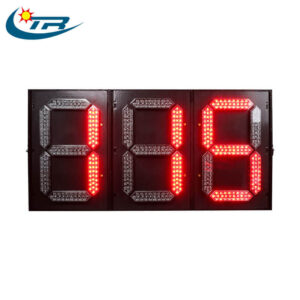
Traffic Countdown Timer
Changes in Traffic Flow and Environment Impacting Street Traffic Signal Lights
Increase in Traffic Flow
A significant increase in street traffic flow can make the existing street traffic signal lights inadequate. For example, a previously – installed one – way street traffic signal light may struggle to cope with the increased volume, leading to reduced intersection – passing efficiency, long waiting times for vehicles and pedestrians, and subsequent traffic congestion. In such scenarios, upgrading to street traffic signal lights with more advanced control functions, such as multi – phase or intelligent – sensing control, can enhance the intersection’s traffic – handling capacity.
Change in Environmental Conditions
Alterations in the street’s surrounding environment, such as the construction of large buildings, road reconstruction, or the growth of dense trees, can affect the performance of street traffic signal lights. A new building might obstruct the light of the street traffic signal lights, making it difficult for drivers and pedestrians to see the signals clearly. Trees can also grow to block the lights or cause damage during adverse weather. When such environmental changes occur, it may be necessary to either reposition the street traffic signal lights or replace them with models more suitable for the new environment.
Previous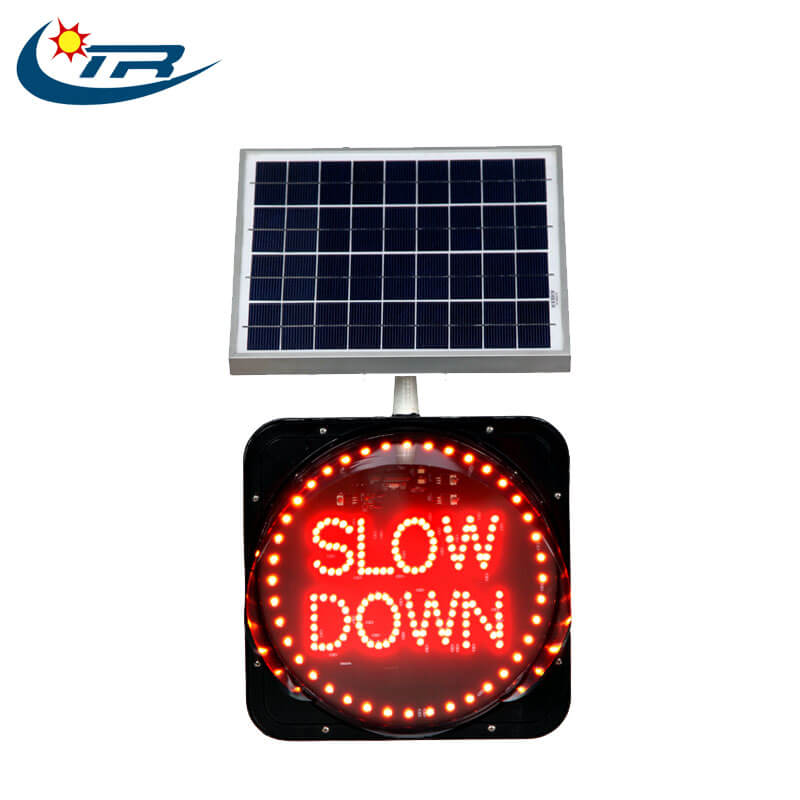 Solar Traffic Signal Lights: Weather - Dependent Performance
Solar Traffic Signal Lights: Weather - Dependent PerformanceNext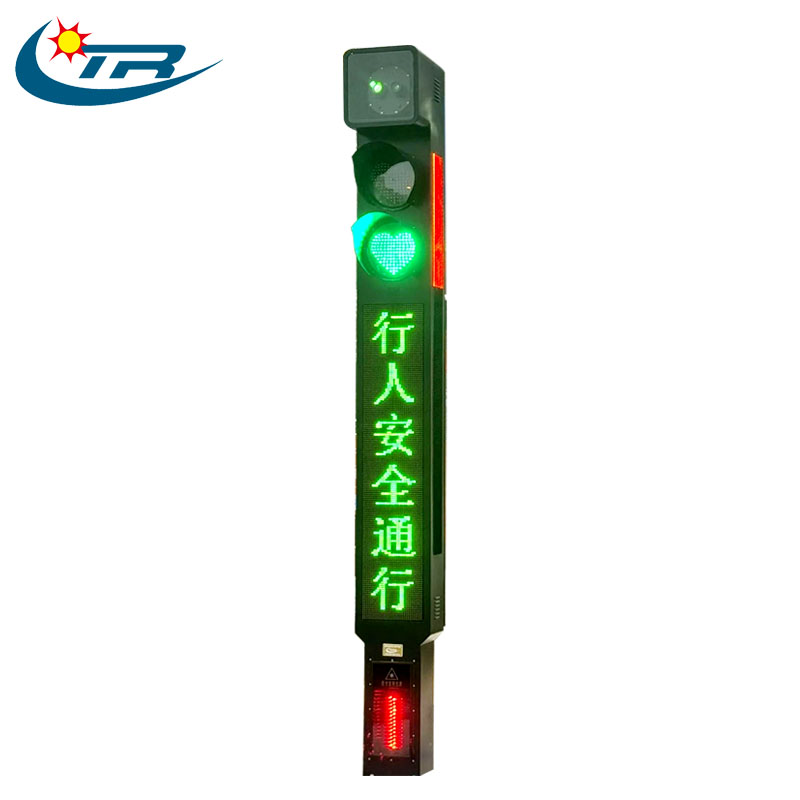 How Integrated Pedestrian Crossing Signal Lights Revolutionize Traffic Efficiency
How Integrated Pedestrian Crossing Signal Lights Revolutionize Traffic Efficiency