Intersection Traffic Signals Priority: How to Determine?
Intersection traffic signals are the cornerstone of traffic management, guiding the flow of vehicles and ensuring safety on the roads. Determining the priority of these traffic signals is crucial for maintaining smooth traffic. It is based on traffic regulations and the requirements of traffic control, typically taking into account factors like traffic volume, road hierarchy, and road width.
Signal Color as a Fundamental Indicator
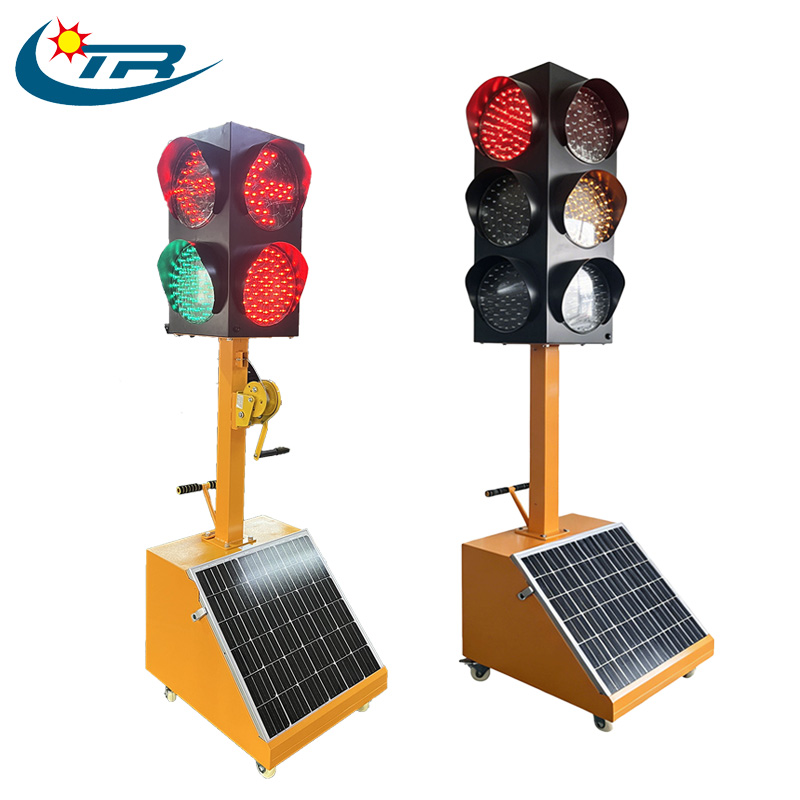
The color of traffic signals is the most immediate clue to their priority. Generally, a green light indicates that vehicles can proceed, either going straight or making a left – turn. A red light, on the other hand, clearly signals a stop. The yellow light serves as a warning, indicating that the signal is about to change, prompting drivers to slow down and prepare to stop. This basic color – coded system is the foundation of traffic signal priority and is recognized and followed by all road users.
Traffic Volume’s Impact on Priority
Traffic volume plays a significant role in setting the priority of intersection traffic signals. Depending on the time of day and the location, traffic signals adjust the duration of the green light. During peak hours with high traffic volume, the green light for major traffic – flow directions will be extended. This ensures that more vehicles can pass through the intersection, improving traffic efficiency. For example, in a busy city center during rush hour, the traffic signals on the main thoroughfares will give longer green lights to handle the large number of vehicles.
Road Hierarchy and Width Considerations
Road hierarchy and width are also key factors in determining traffic signal priority. Usually, traffic signals on main roads have a higher priority than those on minor roads or feeder roads. Main roads, which carry a larger volume of traffic, need to have more favorable signal timings to keep the traffic moving. Additionally, wider roads, especially those with multiple lanes in both directions, often have more complex traffic signal set – ups. These set – ups are designed to manage the different traffic flows, such as turning lanes and through – traffic, effectively.
Influence of Traffic Signs and Markings
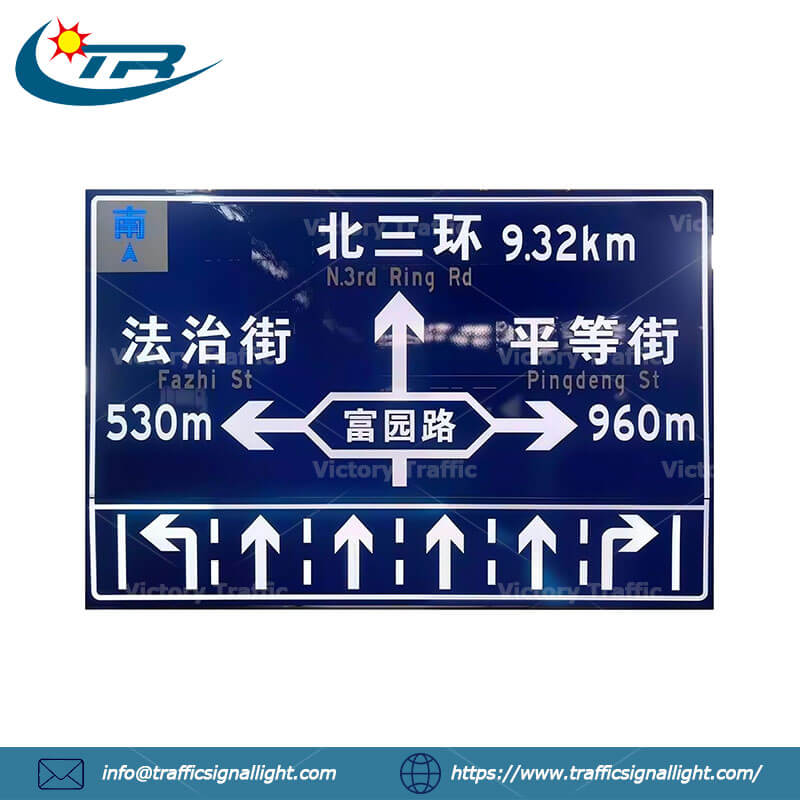
Traffic signs and markings around the intersection can significantly affect the priority of traffic signals. A stop line clearly indicates that vehicles must come to a complete stop before proceeding, regardless of the traffic signal status. Similarly, a no – left – turn sign restricts the movement of vehicles, overriding the normal green – light indication for left – turns. Drivers must always be vigilant and adhere to these signs and markings, as they are integral to the overall traffic management system.
Special Circumstances and Temporary Adjustments
In special situations like road construction, signal malfunctions, or traffic accidents, the priority of traffic signals may be adjusted temporarily. For instance, during road construction, traffic signals may be re – programmed to divert traffic around the work area. In the event of a traffic accident, emergency responders may manually control the signals to clear the area and ensure the safety of all involved. Drivers need to be aware of these potential changes and follow the instructions based on the actual situation at the intersection.
In conclusion, determining the priority of intersection traffic signals requires a comprehensive consideration of multiple factors. Drivers should not only abide by traffic regulations but also make informed decisions based on real – time traffic conditions and signal indications. By doing so, we can ensure smooth traffic flow, enhance road safety, and contribute to an efficient transportation system.
Previous Traffic Signal Poles: How to Set the Optimal Duration of Traffic Lights?
Traffic Signal Poles: How to Set the Optimal Duration of Traffic Lights?Next Traffic Signal Malfunctions: How to Respond?
Traffic Signal Malfunctions: How to Respond?