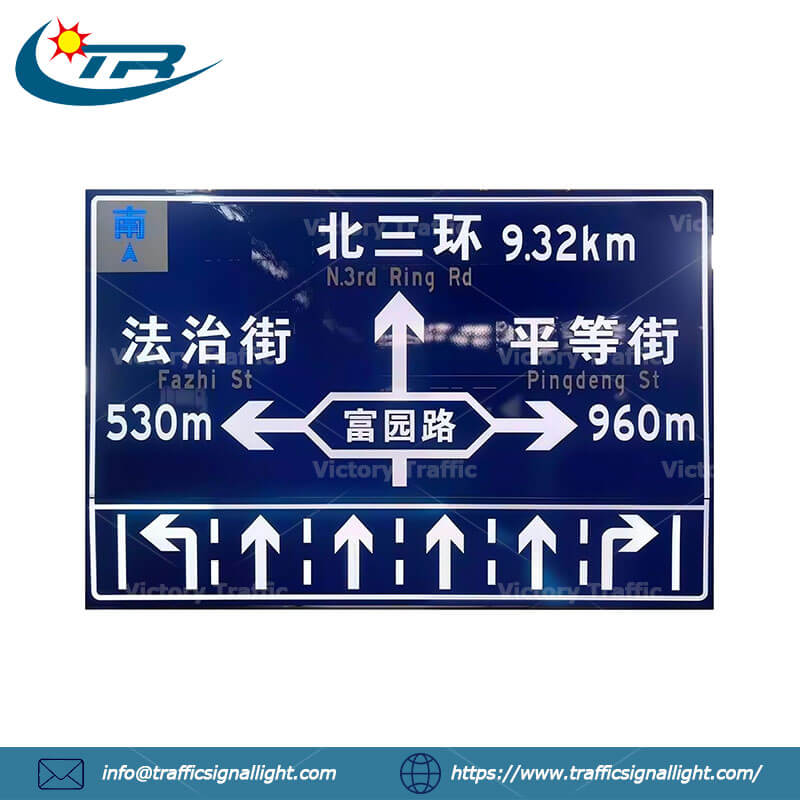
Traffic Signal Poles: How to Set the Optimal Duration of Traffic Lights?
Traffic signal poles are the linchpins of road traffic control, playing an irreplaceable role in guiding the movement of vehicles and pedestrians, thus ensuring traffic order and safety. A pivotal aspect that traffic signal poles help manage is the proper setting of traffic light durations, which is key to maintaining smooth and secure traffic flow.
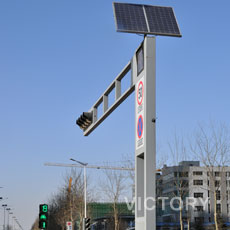
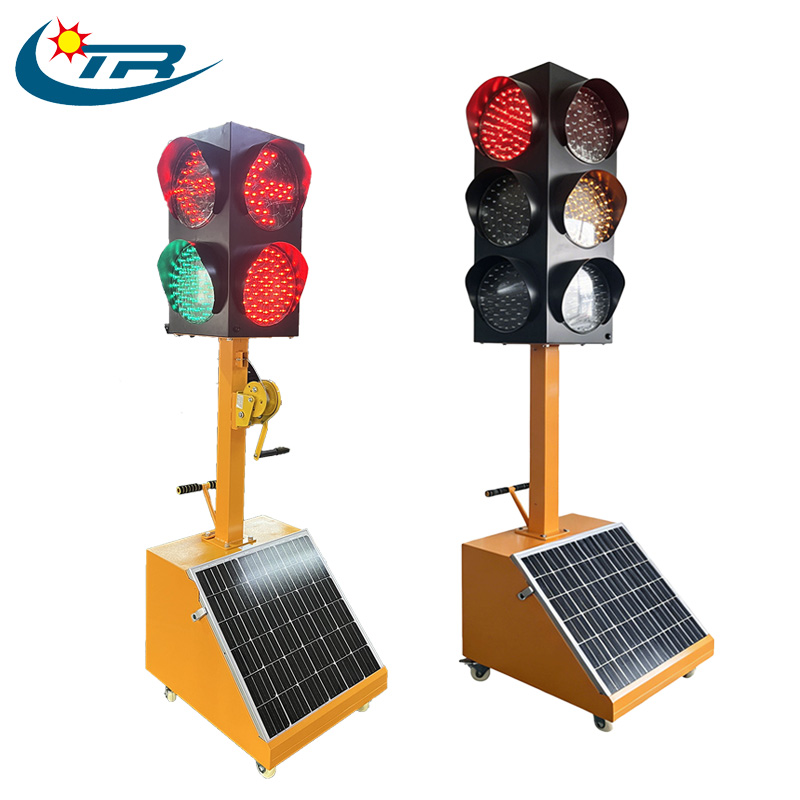
traffic signal poles
Consideration of Traffic Flow
Traffic flow is a fundamental consideration when it comes to traffic signal poles and setting traffic light durations. At intersections with heavy traffic, longer traffic light durations are essential. This is because a large volume of vehicles and pedestrians need sufficient time to cross. For example, in bustling urban intersections where numerous cars and pedestrians converge, extended green lights prevent congestion and keep traffic in motion. On the flip side, at intersections with light traffic, shortening the traffic light durations is appropriate. This not only increases traffic efficiency but also conserves energy. A small neighborhood intersection with sparse vehicle movement can benefit greatly from shorter light cycles, all thanks to the role of traffic signal poles in facilitating such adjustments.
Adaptation to Travel Speeds
The travel speeds of vehicles and pedestrians are another crucial factor related to traffic signal poles and traffic light durations. On high – speed roads, red lights must be long enough. Vehicles traveling at high velocities require sufficient time to stop safely. Picture a highway entrance where cars are approaching at speed; a lengthy red light is necessary to avoid rear – end collisions. Conversely, on low – speed streets, traffic light durations can be marginally shortened. This enables a faster turnover of traffic, enhancing the overall traffic flow rate, with traffic signal poles ensuring these speed – based settings are effectively implemented.
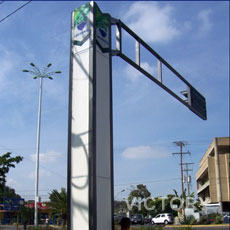
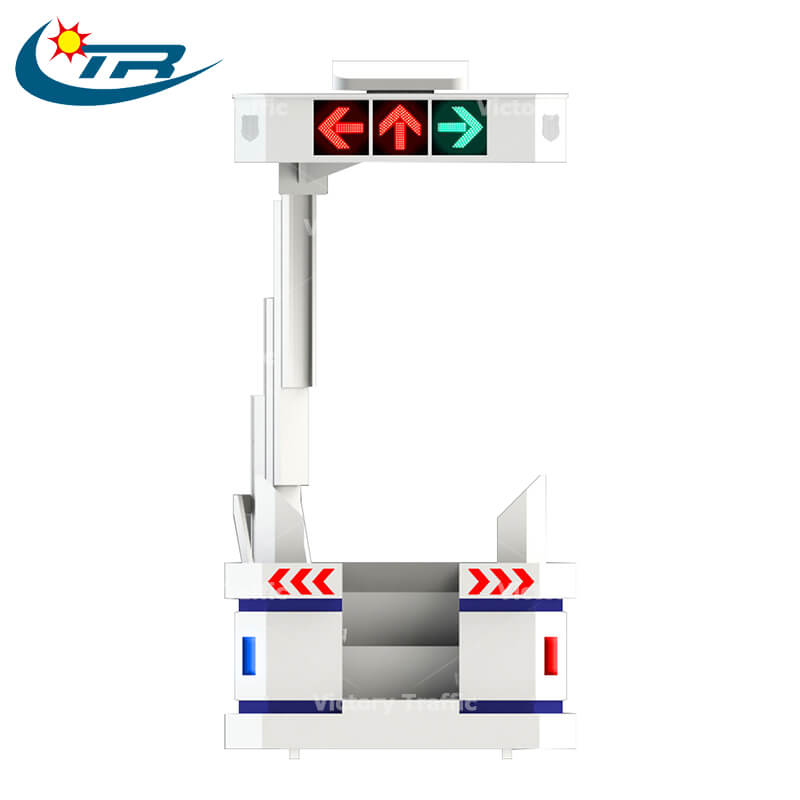
traffic signal poles
Accommodation of Special Situations
Special circumstances at intersections are equally important to consider in the context of traffic signal poles. Intersections near schools or hospitals, for instance, demand additional green light time. This ensures the safe passage of pedestrians, especially students during school – opening and closing hours or patients and their visitors. At intersections in special terrains like mountain roads or tunnels, extending the traffic light durations is often necessary. This guarantees the safe passage of vehicles navigating through these challenging areas, and traffic signal poles are the infrastructure that enables these special – situation – based adjustments.
In summary, setting the optimal traffic light durations in relation to traffic signal poles demands a careful balance of factors such as traffic flow, travel speeds, and special situations. By achieving this balance, we can ensure smooth and safe traffic. Additionally, continuous adjustments based on traffic flow changes and real – world conditions are vital to meet the traffic demands at different times of the day. Only through these measures can we enhance the efficiency and safety of road traffic, all with the help of well – managed traffic signal poles.
Previous Can Solar - powered Traffic Signals Load Multiple - colored Signals Simultaneously?
Can Solar - powered Traffic Signals Load Multiple - colored Signals Simultaneously?Next Intersection Traffic Signals Priority: How to Determine?
Intersection Traffic Signals Priority: How to Determine?