Traffic Light Durations: How to Reasonably Set Them with Traffic Light Poles?
Traffic light poles are key road traffic control devices. They guide vehicles and pedestrians to pass in order. This ensures traffic order and safety. Moreover, to maximize their effectiveness, we must set traffic light durations reasonably. This key step directly affects traffic smoothness and safety. The two also complement each other closely.
First of all, we must prioritize road traffic volume to set traffic light duration. For busy intersections, extend duration controlled by traffic light poles. This ensures vehicles and pedestrians have enough passing time. It also avoids congestion. For light-traffic intersections, shorten duration instead. This not only improves efficiency but also reduces energy consumption. In turn, it makes traffic light poles more targeted.
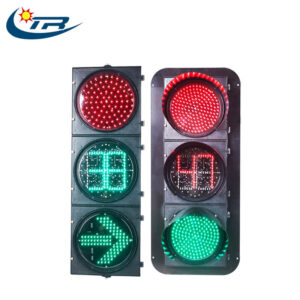
traffic light duration
Secondly, we need to consider vehicle and pedestrian travel speeds. Notably, for high-speed roads, set longer red light durations for traffic light poles. This gives vehicles sufficient braking time. It also prevents accidents. In contrast, for low-speed streets, shorten durations. This fits the travel rhythm and enhances efficiency. Besides, it makes traffic light poles better meet actual needs.
Furthermore, special intersection conditions are crucial. For example, near schools or hospitals, increase green light durations for traffic light poles. This protects students, patients and their companions. Similarly, for mountain roads or tunnels, extend durations. This eases passage difficulty and ensures safe vehicle travel. It also gives full play to traffic light poles’ command role.
In general, we must comprehensively consider traffic volume, travel speed and special conditions. This helps set traffic light durations reasonably. It also allows traffic light poles to work effectively. Additionally, adjust durations timely according to traffic changes at different times. This adapts to diverse travel needs. Ultimately, we can maximize road traffic efficiency and safety. This makes traffic light poles real “safety guardians”.
Previous The Different Types of Traffic Lights Currently in Use
The Different Types of Traffic Lights Currently in UseNext Traffic Light Poles: How to Perform Maintenance and Upkeep?
Traffic Light Poles: How to Perform Maintenance and Upkeep?