The Different Types of Traffic Lights Currently in Use
Various systems in society interact to maintain order, and the traffic light system is one of the most essential. It regulates vehicle and pedestrian flow to prevent chaos, and this article explores the main types of traffic lights now in use.
Main Types of Traffic Lights
Traffic lights guide movement at intersections and hubs, and technological progress has created different types to suit specific needs. Below are the most common ones currently in use.
1. Incandescent/Halogen-based Traffic Lights
These are traditional traffic lights that use incandescent or halogen bulbs. People have largely replaced them with other types because they have low light efficiency and fail completely if the filament burns out.
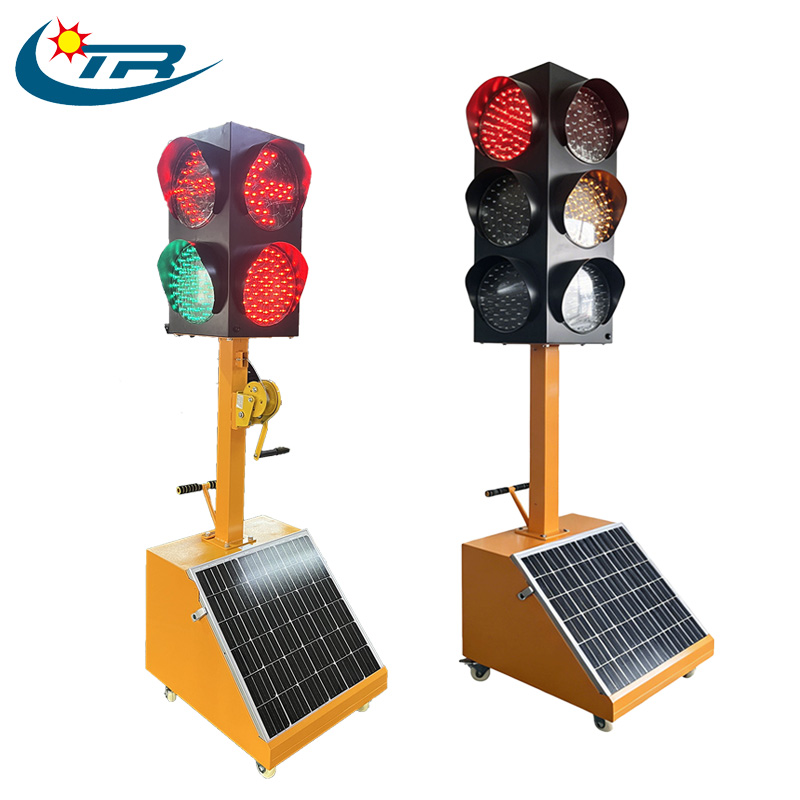
2. LED Traffic Lights
LED traffic lights use light-emitting diodes instead of traditional bulbs. They consist of an array of LEDs that appear as a continuous light from a distance. People prefer them for their many advantages: higher energy efficiency, solar power compatibility, longer lifespan, partial operation even if some LEDs fail, brighter illumination in sunlight, multi-color/pattern display, and faster switching. Unlike incandescent bulbs, LEDs dim gradually as they wear out, signaling the need for replacement.
3. Wig Wag Traffic Lights
Wig Wag traffic lights are more noticeable than standard ones. They mainly serve level crossings, bridge crossings and emergency stations, where they stop regular traffic to let emergency vehicles exit. They also integrate easily i
nto traffic management systems and work well in factories, where clutter can hide standard red lights, or when traffic needs to stop for vehicles emerging from blind spots.
4. Walking Man Traffic Lights
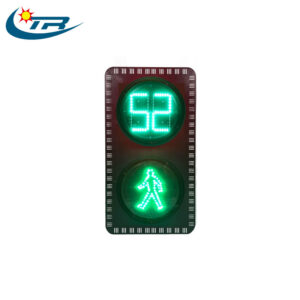
pedestrian traffic light
Walking Man traffic lights, usually LED-based, regulate pedestrian flow. A steady standing man means pedestrians cannot enter the street, while a steady walking man means they can start crossing.
The Importance of Traffic Lights
Modern cities are busy with constant movement, and traffic lights are vital. Without them, streets would fall into chaos. Even with traffic enforcers, manual control struggles with timing due to fatigue and errors, making traffic lights indispensable for safety and order.
Previous Traffic Signal Light: Its Role and Impact in the Traffic Field
Traffic Signal Light: Its Role and Impact in the Traffic FieldNext Traffic Light Durations: How to Reasonably Set Them with Traffic Light Poles?
Traffic Light Durations: How to Reasonably Set Them with Traffic Light Poles?