How Do Traffic Lights Adjust to Traffic Flow? Smart Solutions for Modern Cities
With the continuous growth of urban populations, traffic congestion has become a major challenge for urban planners and traffic management departments. Traditional traffic signal lights operate on fixed timers, often causing unnecessary delays and inefficiencies. However, with the development of intelligent traffic management systems, modern adaptive traffic signal lights can dynamically adjust based on real-time traffic flow, improving road capacity and alleviating congestion.
This article will explore how adaptive traffic signals work, their key technologies, industry trends, and why traffic management solution providers and city planners should invest in smart traffic control systems.
Working Principles of Adaptive Traffic Lights
Unlike traditional signal systems that rely on preset time cycles, adaptive traffic signal lights use real-time data to dynamically optimize traffic flow. These systems depend on multiple technologies, including AI algorithms, sensors, and communication networks, to enhance efficiency.
1. Traffic Sensors and Data Collection
Adaptive traffic signal lights rely on various sensors to monitor vehicle movement, detect congestion, and measure pedestrian activity at intersections. Common sensor types include:
-
Inductive loop sensors: Embedded in the road to detect passing vehicles.
-
Radar and LiDAR sensors: Used to measure traffic density and speed.
-
Video cameras: Provide real-time images for AI-based traffic analysis.
-
Infrared and ultrasonic sensors: Detect pedestrians and cyclists to improve safety.
The system adjusts signal timing in real-time by analyzing collected data to achieve smoother traffic flow.
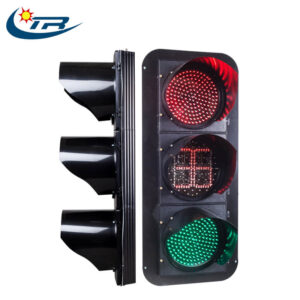
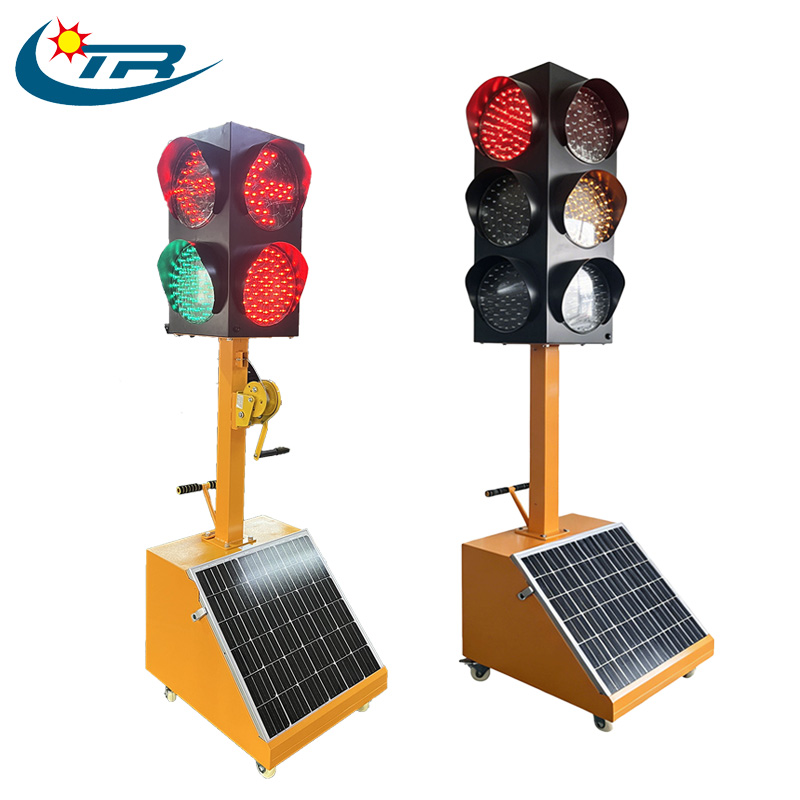
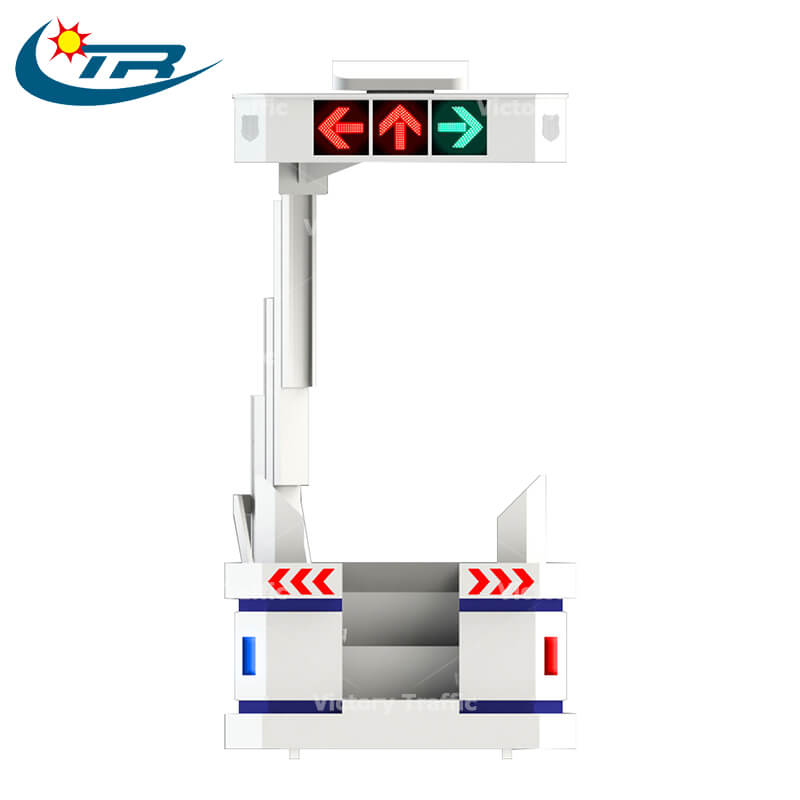
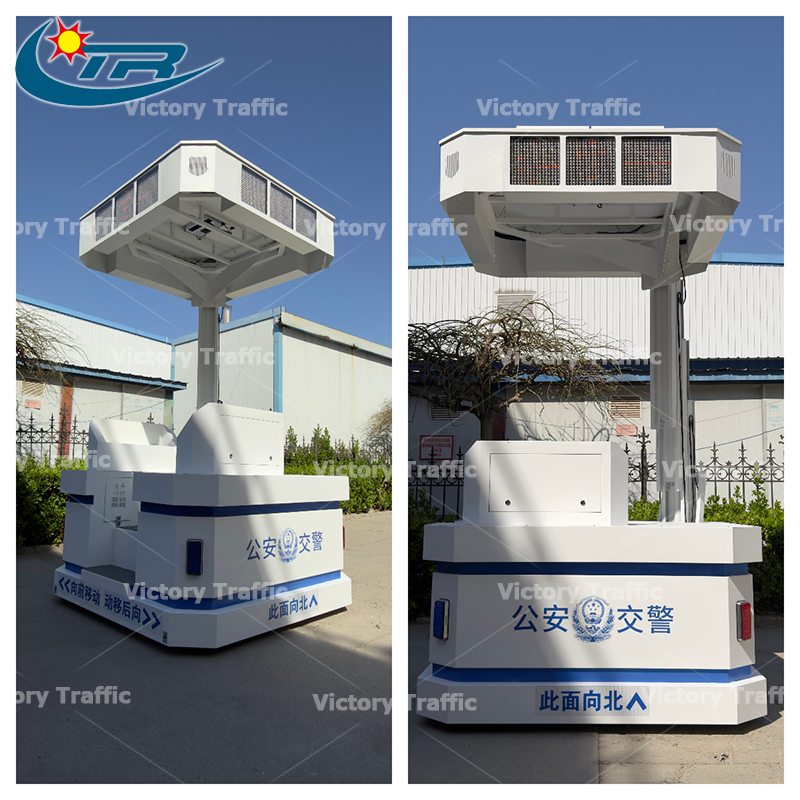
traffic signal light
2. AI and Machine Learning Algorithms
AI-driven algorithms process traffic data and predict congestion patterns. These systems analyze historical and real-time traffic data to dynamically optimize signal adjustments. Machine learning models help predict peak-hour traffic trends and make proactive adjustments to improve throughput.
For example, AI-controlled traffic signal lights can extend green light durations for lanes with heavy traffic while reducing waiting times for less busy branches. This adaptability reduces idle time, fuel consumption, and emissions.
3. Communication and Connectivity (IoT Integration)
Modern adaptive traffic systems connect via IoT and 5G networks, enabling communication with other traffic lights., emergency vehicles, and smart city control centers. Key communication methods include:
-
Vehicle-to-Infrastructure (V2I) communication: IoT-equipped vehicles send speed and congestion data to traffic management systems.
-
Cloud-based traffic control systems: Collect and analyze city-wide data to provide insights for long-term traffic optimization.
These technologies allow synchronization of traffic signal lights across the city to reduce congestion and improve urban mobility.
Key Advantages of Adaptive Traffic Signal Lights
-
Reduced traffic congestion: Studies show adaptive traffic control can reduce traffic delays by 10-30%.
-
Lower carbon emissions: Optimizing traffic flow helps reduce fuel consumption and cut CO2 emissions by up to 20%.
-
Improved road safety: Smart signals prioritize emergency vehicles and reduce accident risks at busy intersections.
-
Enhanced public transport efficiency: Some cities integrate bus priority signals to reduce public transport waiting times.
Previous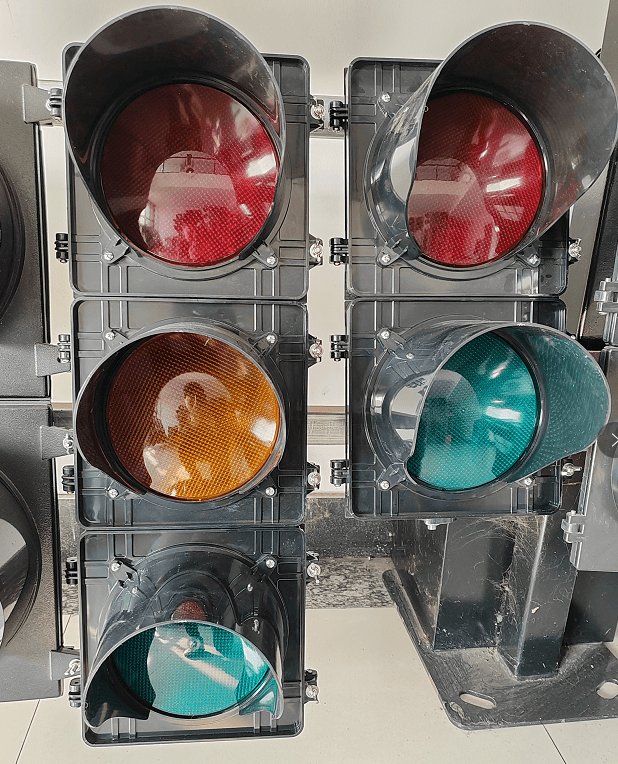 New type of traffic signal light
New type of traffic signal lightNext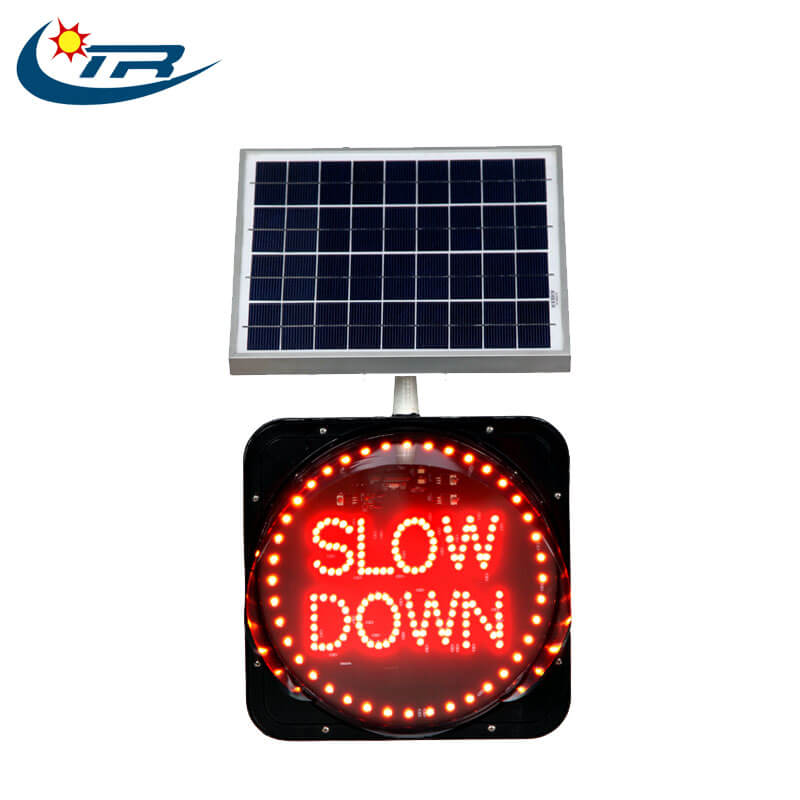 Solar Traffic Signal Lights: Weather - Dependent Performance
Solar Traffic Signal Lights: Weather - Dependent Performance