Traffic Signals’ Function
Traffic signals are the unsung heroes of our roadways, vital for maintaining order and ensuring road user safety. They come in various types: vehicle, non – motor vehicle, crosswalk, lane, direction – indication, flashing warning, and road – railway level crossing signals. Placed at road intersections, traffic signals manage vehicle and pedestrian flow. By telling them when to proceed or stop, these signals minimize interference, boost intersection capacity, and ensure smooth, safe passage.
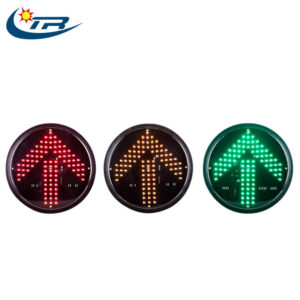
Traffic Signals Lights
1. Vehicle Traffic Signals
Vehicle traffic signals have three – colored lights: green, yellow, and red. Green light allows vehicles to move. But turning vehicles mustn’t block straight – moving vehicles and pedestrians with the right – of – way. Yellow light means vehicles past the stop line can keep going. Red light stops vehicle movement. Knowing these rules helps drivers drive safely and efficiently. For example, following these signals eases peak – hour intersection congestion.
2. Lane Traffic Signals
Lane traffic signals have green arrow lights and red cross – shaped or red arrow lights. A green arrow light lets vehicles in the lane go in the arrow’s direction. A red cross – shaped or red arrow light stops vehicles in that lane. These signals guide vehicles in complex intersections or on multi – lane roads, streamlining traffic flow and reducing lane – changing conflicts. For instance, on a busy highway exit ramp, they direct vehicles smoothly.
3. Crosswalk Traffic Signals
Crosswalk traffic signals have a green light and a red light. Green light lets pedestrians cross the crosswalk. Red light stops pedestrians from entering. But if a pedestrian is already in the crosswalk, they can keep going or wait at the road centerline. These signals protect pedestrians, especially in crowded urban areas near schools, shopping centers, and public transport hubs.
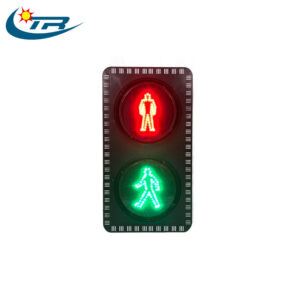
Pedestrian Traffic Signals
4. Non – motor vehicle Traffic Signals
Non – motor vehicle traffic signals, for bicycles and electric scooters, are important too. Like vehicle signals, they use colors to control non – motor vehicle movement. Green light allows non – motor vehicles to go, but they must watch for other road users, especially pedestrians. Yellow light warns of a signal change. Red light stops non – motor vehicles. These signals integrate non – motor vehicle flow, preventing collisions. In areas with much bicycle traffic, they ensure safety.
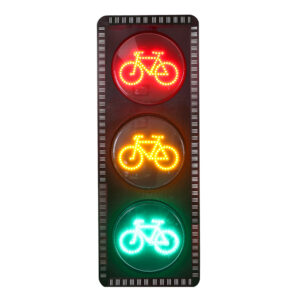
Bicycle Traffic Signals
5. Direction – indication Traffic Signals
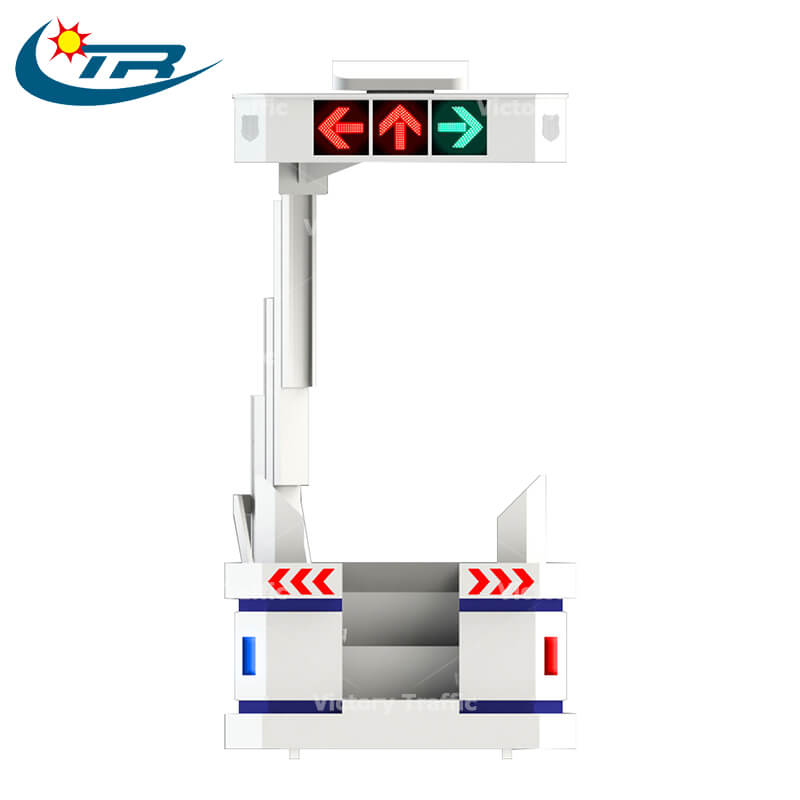
Direction – indication traffic signals guide vehicles in complex intersections. They show arrows for different directions. When an arrow – colored light is on, vehicles can move that way. This clarifies vehicle paths, reducing confusion and accidents. At a five – way intersection, these signals manage traffic well.
6. Flashing Warning Traffic Signals
Flashing warning traffic signals, usually yellow, alert road users of hazards ahead. They’re at sharp bends, roadworks, or low – visibility areas. When drivers or pedestrians see one, they should slow down, be cautious, and be ready to stop. These signals prevent accidents by warning road users early.
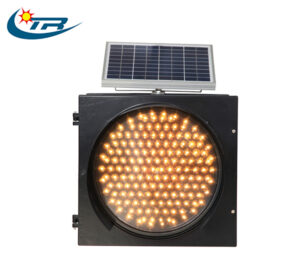
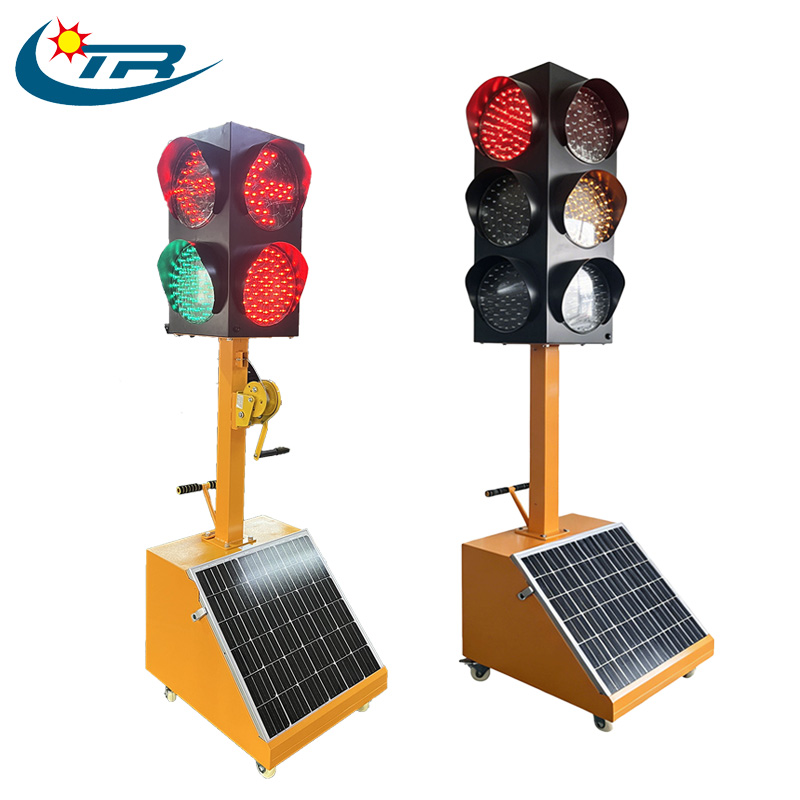
Solar traffic light
7. Signals for Road – railway Level Crossings
Signals for road – railway level crossings ensure the safety of road and railway users. They have flashing lights, bells, and sometimes barriers. When they signal a train’s approach, vehicles and pedestrians must stop. They’re crucial as level crossings can be dangerous. They keep road and rail traffic safe daily.
Previous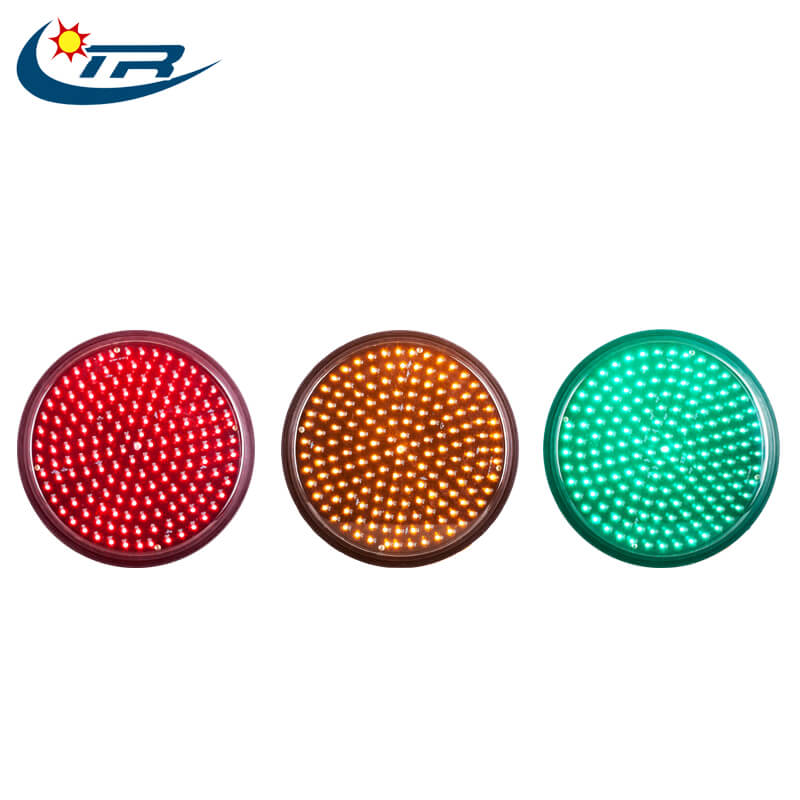 Understanding Traffic Signals: Their Types and Functions
Understanding Traffic Signals: Their Types and FunctionsNext Traffic Signals Malfunction: What Can Cause It on City Streets?
Traffic Signals Malfunction: What Can Cause It on City Streets?