Traffic Signals Malfunction: What Can Cause It on City Streets?
Traffic signals are vital for smooth traffic flow on city streets. However, malfunctions can occur due to a variety of factors.
I. Equipment – related Failures
1. Signal Light Hardware Damage
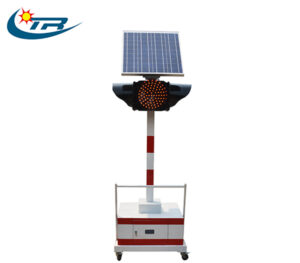
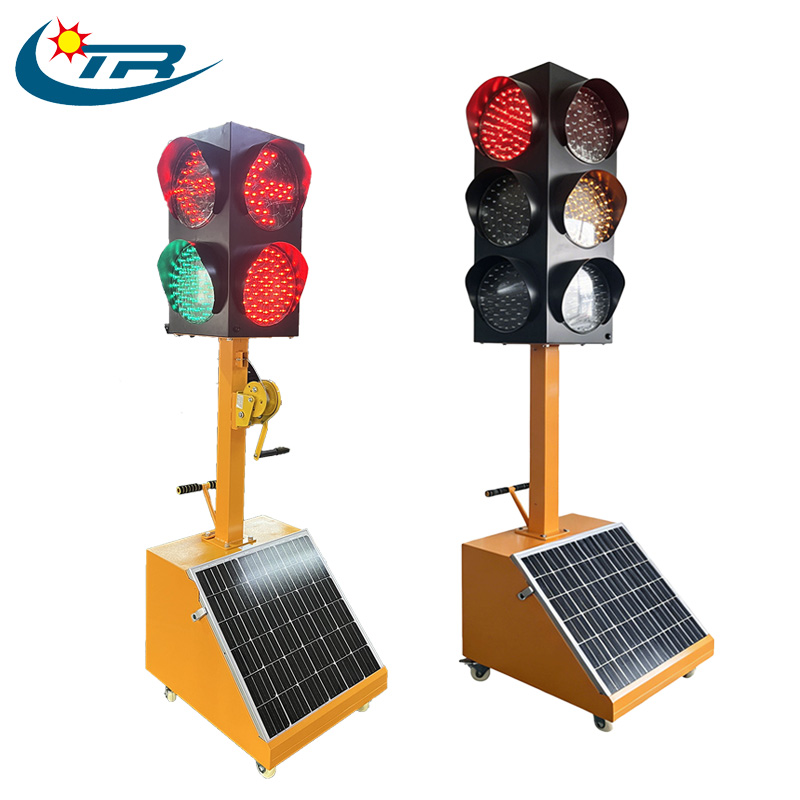
Mobile Traffic signal light
- Bulb/LED Failure: Long – term use or voltage fluctuations can burn out bulbs or LED beads, causing single – light outages or total blackouts.
- Control Board/Chip Malfunction: The control module may malfunction due to aging, short – circuits, or program errors, leading to chaotic signal logic.
- Poor Wiring Connection: Loose, oxidized, or broken internal wires can interrupt signal transmission, resulting in intermittent failures or local light – group outages.
2. Signal Machine Failures
The signal machine is the core device for controlling multi – direction signals. If its power, communication, or logic control units fail, signals at the entire intersection or multiple directions may malfunction simultaneously.
II. Power Supply Issues
1. Power Outage or Supply Interruption
- Municipal grid failures, unannounced planned power cuts, or sudden outages (like lightning strikes) can leave traffic signals without power.
- In some intersections, transformer damage or broken power lines can also cause direct power loss.
2. Power Line Failures
Aging, vehicle collisions, construction damage, or animal bites can break or short – circuit power cables, cutting off power to the signals.
3. Backup Power Failure
Some important intersections have UPS or generators. If these backup power sources fail (e.g., battery depletion, generator breakdown), signals may malfunction when the main power is cut off.
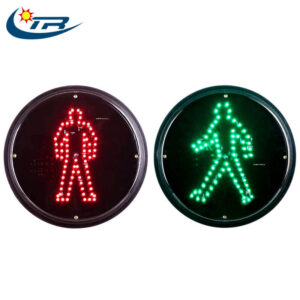
Traffic signal light
III. External Interference or Damage
1. Physical Damage
- Traffic Accidents: Vehicle impacts can damage signal poles or light groups, like toppling poles or shattering light units.
- Human Sabotage: Theft of components, malicious vandalism, or climbing that loosens wires can cause signal failures.
- Natural Disasters: Typhoons, floods, earthquakes, etc., can bring down poles, short – circuit equipment, or destroy power lines.
2. Electromagnetic or Signal Interference
- Electromagnetic interference from nearby high – voltage substations or large radio towers may disrupt signal machine control circuits.
- Hacker attacks, though rare, can tamper with signal logic or shut down equipment through network intrusion.
3. Communication Failures
Connected smart signals rely on wireless or wired networks. If communication breaks down (e.g., base – station failures, cut network cables), signal machines may not receive remote commands and thus malfunction.
IV. Human Errors in Signal Operation or Management
1. Improper Construction or Maintenance
- Road construction may accidentally disrupt signal lines. Maintenance errors, like incorrect wiring or module mishandling, can also damage equipment.
- After temporary traffic control, failure to restart signals or switch to normal mode can keep them in an “off” state.
2. Incorrect Operations or Settings
- Traffic officers may make mistakes when remotely configuring signal parameters, like setting “all – red” or “yellow – flash” permanently.
- Newly installed or repaired equipment without proper debugging can have chaotic signal logic.
3. Illegal Occupation or Obstruction
- Overgrown billboards, tree branches, or construction can block signals, making them functionally ineffective.
V. Environmental or Natural Factors
1. Impact of Severe Weather
- Heavy rain, snow, or fog can short – circuit equipment, reduce visibility, or damage it with lightning strikes.
- Extreme temperatures can accelerate component aging or cause line brittleness and battery degradation.
2. Animal or Plant Interference
- Bird nests, insects, or climbing plants can interfere with signals, causing short – circuits or line damage.
VI. “Temporary Malfunctions” in Special Scenarios
1. Police – directed Traffic
During police – directed traffic, signals may be set to “yellow – flash” or turned off, which is a temporary, human – controlled state.
2. Special Timings during Holidays or Events
Incorrect timings can make signals seem malfunctioning, but it’s actually a setting problem rather than an equipment failure.
Conclusion
Traffic signal malfunctions often result from multiple factors. Power issues, equipment aging, and physical damage are common causes. To reduce malfunctions, traffic departments conduct regular inspections, maintain backup power, and use smart monitoring systems. When signals fail, they quickly send repair teams and place warning signs to guide traffic.
Previous Traffic Signals' Function
Traffic Signals' FunctionNext Can Solar - powered Traffic Signals Load Multiple - colored Signals Simultaneously?
Can Solar - powered Traffic Signals Load Multiple - colored Signals Simultaneously?