Integrated Pedestrian Crossing Signals: Mastering Their Operation
Integrated pedestrian crossing signals signals play a pivotal role in traffic management, safeguarding the safety of pedestrians on the road. These signals combine essential functions such as pedestrian push buttons, clear signal indications, and useful audio prompts. If you want to ensure a seamless and safe crossing experience, this guide on operating integrated pedestrian crossing signals is a must – read.
I. Core Functions and Basic Operation Logic
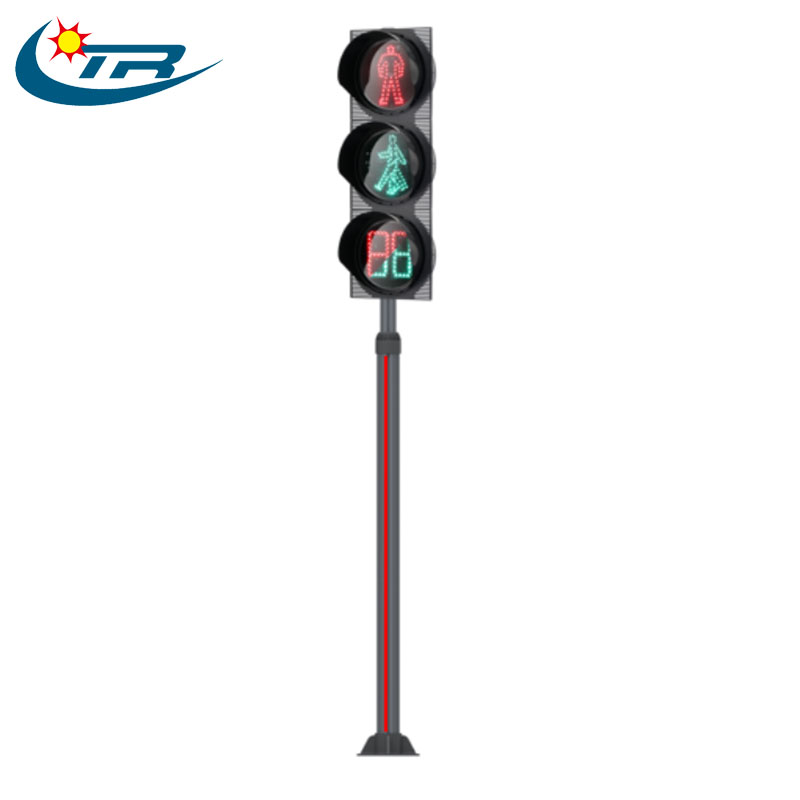
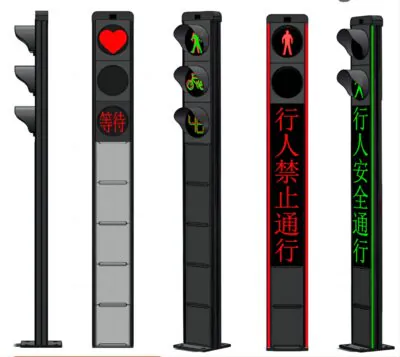
Integrated traffic signal light
The essence of an integrated pedestrian crossing signal lies in its ability to empower pedestrians to control traffic flow. By allowing pedestrians to switch the motor vehicle signal to red and simultaneously turn the pedestrian crossing signal green, it creates a safe window for crossing. While some advanced systems rely on sensor activation or fixed – timing mechanisms, the majority of common models require pedestrians to provide manual input. This basic operation logic is the foundation for understanding how to use these integrated traffic signal lights effectively.
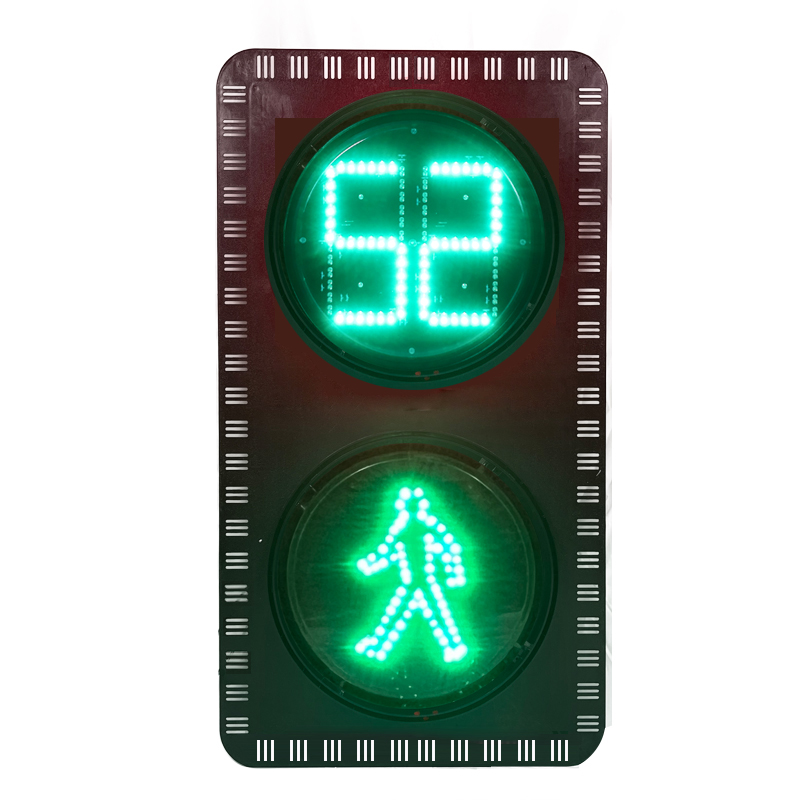
Integrated traffic signal light
II. Detailed Operation Steps by Scenario
Conventional Push – Button Type
This is the most commonly encountered design of integrated pedestrian crossing signals.
- Locate the Button: The push button is typically positioned on the lower part of the signal pole, at a height of approximately 1.2 – 1.5 meters, making it easily accessible. It could be located on the side of the light box or on the column. Look for labels like “Pedestrian Crossing Button”, “Press Here”, or a distinct pedestrian icon. Identifying this button is the first step in operating your integrated pedestrian crossing signal.
- Press Correctly: Gently press the button with either your palm or finger. You don’t need to hold it down. A beep sound or a flashing indicator light is a clear sign that the signal has been successfully triggered. This simple action sets the integrated traffic signal light in motion.
- Wait for the Change: Resist the urge to cross immediately. Instead, patiently wait until the motor vehicle signal transitions from green to yellow and finally to red. Simultaneously, keep an eye on the pedestrian signal, which should display a steady green walking figure (it might flash first and then become steady). In cases where there are audio prompts, listen closely for the message “Green light is on. Please cross.” This sequence of events is crucial for a safe crossing using the integrated pedestrian crossing signal.
- Cross Safely: Once the appropriate signals are displayed, quickly cross the crosswalk while being vigilant for any approaching vehicles. If the green light starts to flash or turns red, assess the situation. If it’s safe, speed up your crossing; otherwise, if there’s a safety island available, stop there. Safety should always be the top priority when using an integrated pedestrian crossing signal.
Sensor – Activated Type
At certain intersections, modern technology in the form of infrared, radar, or AI cameras is employed to detect pedestrians. For these integrated pedestrian crossing signals, there’s no need to search for and press a button. When pedestrians enter the 1 – 3 – meter sensing area in front of the zebra crossing, the system automatically initiates the signal change, following the same principle as the push – button type. In situations where pedestrian traffic is low, motor vehicles are allowed to keep a green light to enhance overall road efficiency. However, it’s important to note that there may be a 1 – 3 – second delay in the sensing mechanism. So, remain patient and avoid making erratic movements that could potentially disrupt the detection process of these integrated traffic signal lights.
Special Scenario: Night / Low – Traffic Mode
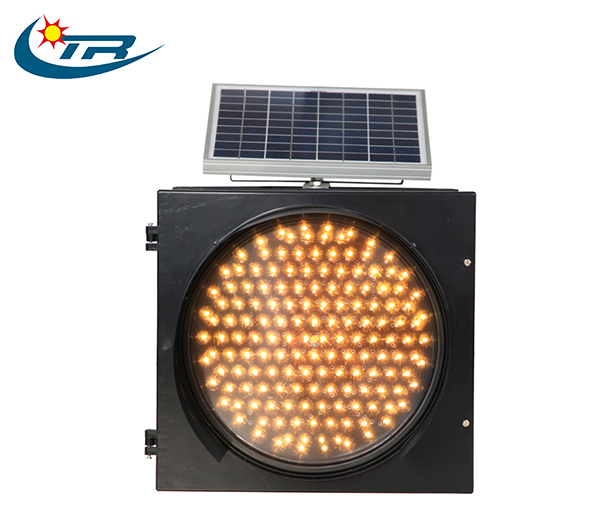
In some cities, during late – night hours when traffic is light, a unique mode is activated. In this mode, vehicles encounter a flashing yellow signal, while pedestrians face a steady red signal. In such cases, pedestrians can carefully check for oncoming traffic and, if it’s clear, cross the road without waiting for a green light. But if the pedestrian green light starts flashing, it’s essential to follow the normal procedures and refrain from rushing. This special mode of the integrated pedestrian crossing signal adapts to different traffic conditions for enhanced safety.
III. Key Precautions
Single Press is Enough
Repeatedly pressing the button of your integrated pedestrian crossing signal will not hasten the signal change. In fact, it may disrupt the system’s normal operation. One press is all it takes to trigger the appropriate sequence of the integrated traffic signal light.
Assist Vulnerable Groups
When using an integrated pedestrian crossing signal, it’s crucial to assist vulnerable groups. Children should always be accompanied by adults, and the elderly may need help waiting patiently after pressing the button. This ensures the safety of everyone using the crossing.
Don’t Rush on Audio
Just because you hear an audio prompt indicating it’s time to cross doesn’t mean you should start crossing immediately. Always wait for the pedestrian signal to show a steady green light. If the green light flashes or turns red during your crossing, stop if it’s not safe to continue. Rushing based solely on the audio prompt can lead to dangerous situations with the integrated pedestrian crossing signal.
Malfunction Response
If, after pressing the button, there’s no signal change within 5 minutes, it’s likely that the integrated pedestrian crossing signal device is malfunctioning. In such a case, consider using another nearby crossing. If that’s not possible, exercise extreme caution and cross only after ensuring it’s safe.
Follow Local Rules
Different areas may have unique regulations regarding the use of integrated pedestrian crossing signals. For example, in some scenic spots, there could be code – scanning triggers. Always observe the on – site signs to ensure you’re following the correct procedures.
In conclusion, mastering the operation of integrated pedestrian crossing signals is key to ensuring safe road crossings. By understanding the core functions, following the detailed operation steps for each scenario, and adhering to the key precautions, you can make the most of these integrated traffic signal lights and have a safer journey. Remember, patience, attentiveness, and following the signals are the keys to a secure crossing.
Previous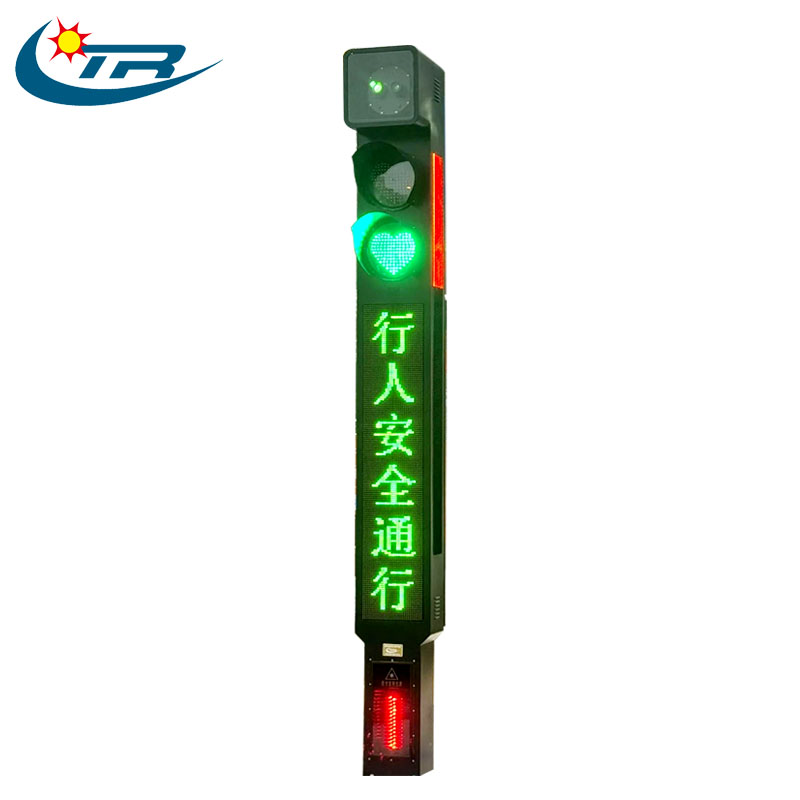 How Integrated Pedestrian Crossing Signal Lights Revolutionize Traffic Efficiency
How Integrated Pedestrian Crossing Signal Lights Revolutionize Traffic Efficiency